- Bays Available Today
- Bays Available Today
- Bays Available Today
- Bays Available Today
- Bays Available Today
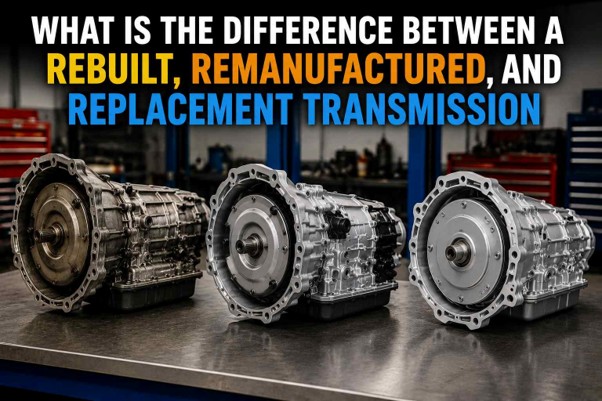
When dealing with a slipping transmission, drivers often face confusion due to the various terms used by repair shops, such as rebuilt, remanufactured, and replacement. It is essential to understand what a rebuilt transmission involves in order to make an informed decision. At 616 Auto Repair, the team simplifies these options in clear language, helping you determine what best suits both your vehicle and your budget.
Every transmission repair falls into one of three paths. Each one costs different amounts and lasts a different length of time.
A technician tears your transmission apart piece by piece. Worn parts get replaced. Healthy parts stay in place. Your original casing remains intact, which helps to keep costs lower than other options. This process works well for drivers who want a reliable fix without a huge bill.
What Gets Checked During a Rebuild
Evaluating the advantages and disadvantages of a rebuilt transmission helps establish realistic expectations. Rebuilds cost less. They also suit older cars nicely. The catch? Quality depends on the shop doing the work. Some rebuilds hold up for years. Others fall short if corners get cut during the process.
When a Rebuild Makes Sense
Read More :- How to Fix a Car’s Engine Knocking When Accelerating
A remanufactured transmission is a more rigorous version of a rebuild. Every part is disassembled, cleaned, and inspected to meet factory specifications. Workers rebuild the whole unit using new or certified parts. This process leaves less room for guesswork than a standard shop rebuild.
How This Differs From a Basic Rebuild
A remanufactured automatic transmission undergoes additional testing before it is shipped. Each part is carefully measured to ensure it meets factory tolerances. This extra step increases the initial cost but significantly reduces the likelihood of issues later on, as the unit adheres to a strict and consistent standard every time.
The biggest benefits of remanufactured transmission work come down to trust. Each unit passes quality checks before installation. Warranties often run longer too. For drivers who want peace of mind, this option removes a lot of the guesswork that comes with a standard rebuild.
Added Perks Worth Knowing
When faced with a malfunctioning transmission, some repair shops may opt to replace the old unit with either a new or used one instead of attempting repairs. Although this approach can be more expensive, it offers the advantage of quicker turnaround time, allowing your car to return to the road sooner, as there’s no need for extensive rebuilding.
New vs. Used Replacement Units
Deciding whether to rebuild or replace a transmission depends on the specifics of your vehicle. Older cars with high mileage typically benefit more from a rebuild, while newer models may be better off with a complete replacement. Factors such as cost, the age of the car, and how long you intend to keep driving it all play a significant role in this decision.
Choosing the best transmission option begins with asking yourself a few honest questions. How old is your car? How many miles does it have? What’s your budget? Answering these upfront makes the decision much easier, and it keeps you from overspending on a fix your car doesn’t need.
Questions Worth Asking First
For many drivers, rebuilding the transmission in older vehicles is the best option. It strikes a balance between cost and reliable performance. A car that’s ten years old rarely needs brand new parts. A rebuild typically does the job well without depleting your savings.
Detecting transmission problems early can save you money in the long run. Watch for these signs that indicate you might need a transmission replacement:
Sounds Worth Paying Attention To
Stick-shift owners need a different touch than automatic drivers. Our manual transmission rebuild work restores smooth, precise shifting. We check clutches, synchros, and gears closely, so your car shifts the way it should on every drive.
Automatic Transmission Rebuilding Service
Automatic cars bring their own set of challenges. Our automatic transmission rebuilding service covers full diagnostics, careful rebuilding, and road testing before your car leaves the shop. Every step gets checked twice before we call the job done.
Our transmission service includes complete removal, careful inspection, installation, and thorough testing. We guide you through all available options honestly, ensuring you never feel pressured into an unnecessary fix.
What Happens Before We Start
Choosing the right transmission repair shop matters as much as choosing the right repair. Our friendly, skilled technicians explain each step clearly. We never rush a diagnosis, and we always put your budget first.
A little upkeep goes a long way. Change your transmission fluid on schedule. Avoid harsh shifts between reverse and drive. Get leaks checked right away. These small steps often delay a costly rebuild or swap for years.
Easy Habits to Build Into Your Routine
Some drivers assume a rebuild always means lower quality. That’s not true. A skilled technician can match factory-level results. Others believe replacement is always safer. In reality, a solid rebuild often performs just as well for far less money.
Don’t let a slipping transmission turn into a bigger headache. Bring your car to 616 Auto Repair. Our experienced, dependable team will walk you through your best options, clearly and honestly.
A rebuilt unit reuses your original casing with worn parts fixed. A remanufactured unit meets factory standards. A replacement involves installing a completely different transmission, whether it is new or used.
Remanufactured units offer more consistency and testing. Rebuilds cost less upfront. The better pick depends on your budget, your car’s age, and how long you plan to keep it.
A solid rebuild often lasts 50,000 to 100,000 miles. Remanufactured units tend to last longer, thanks to stricter testing. Driving habits and regular maintenance affect lifespan too.
Replacement often suits newer vehicles or severe damage. Rebuilding suits older cars on a budget. Neither option beats the other outright, since your specific situation decides the best fit.
Think about your car’s age, mileage, budget, and driving habits. A reliable transmission repair shop can assess your car’s condition and recommend the best option for you.