- Bays Available Today
- Bays Available Today
- Bays Available Today
- Bays Available Today
- Bays Available Today
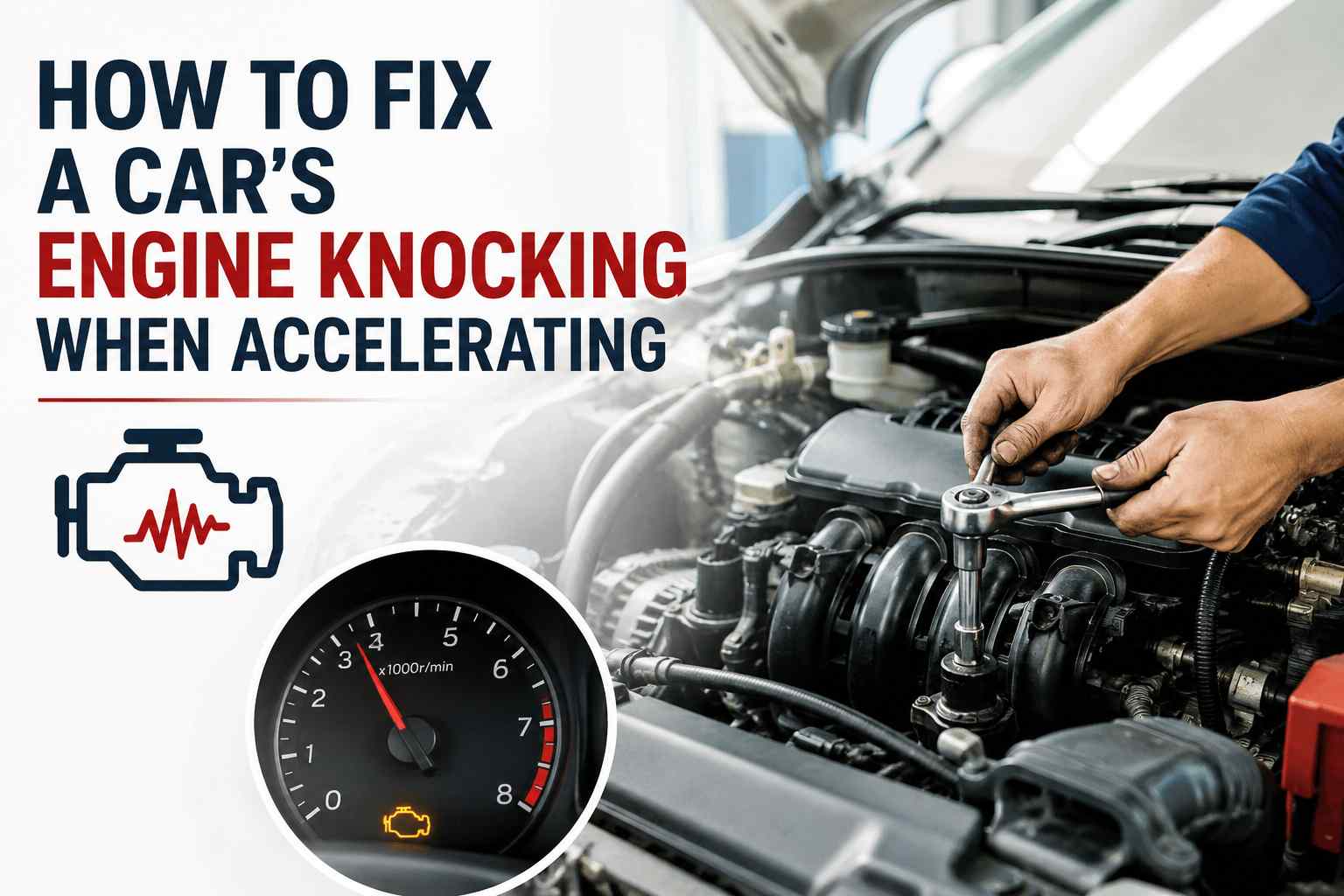
A knocking sound under the hood is never a good sign. It gets louder, faster, and harder to ignore every time you press the gas pedal. If you’ve noticed your engine knocking when you press the gas pedal, it’s trying to tell you something before a minor issue turns into a big repair bill. At 616 Auto Repair in Grand Rapids, MI, our ASE-certified team breaks down the causes, the fixes, and the steps you can take to keep your engine running smoothly.
Engine knocking occurs when fuel burns unevenly inside the cylinders rather than igniting in a single, clean, controlled burst. This creates small explosions that produce a metallic pinging or knocking noise. Several things can trigger this issue, including:
Each cause changes the timing or pressure inside the cylinder, disrupting the smooth burn your engine relies on. Knowing what causes engine knocking during acceleration is the first step toward a real fix instead of a temporary patch.
Recent Blog: How to Diagnose Engine Misfires When the Check Engine Light Turns On
Acceleration puts more load on your engine, and that extra load exposes weak spots fast. When you press the gas pedal, the engine draws in more air and fuel, and the cylinders work harder to keep up. If timing is off, or fuel quality is poor, the mixture ignites at the wrong moment. That mistimed ignition is what causes the knock you hear right as you speed up or climb a hill.
Engine knocking rarely shows up alone. Watch for these signs alongside the noise:
If you notice engine knocking after accelerating paired with any of these symptoms, it’s time to get your car looked at. Waiting too long turns a simple fix into a costly repair.
Fixing a knock takes more than a quick guess. A proper repair follows a clear process, and skipping steps often leads to repeat visits.
A full car engine diagnostics scan pulls trouble codes and pinpoints which cylinder or sensor is causing the issue. This step saves time and money by narrowing down the real problem before any parts get replaced.
Low-octane fuel ignites too soon under pressure, which causes knocking in many vehicles. Switching to the octane level your manufacturer recommends often clears up minor knocking within a tank or two.
Old or fouled spark plugs fire at the wrong moment, throwing off combustion timing. New spark plugs create a consistent spark and can often resolve knocking caused by ignition problems.
Timing that runs too far ahead causes fuel to ignite before the piston reaches the right position. A technician can adjust timing to match your engine’s specs and stop the knock.
Carbon deposits inside the combustion chamber raise compression and cause premature ignition. Cleaning the intake and combustion chamber clears this buildup and smooths out engine performance.
Once the immediate issue is fixed, a few habits keep knocking at the door and coming back. Stick to the fuel octane your manual recommends, change your oil on schedule, and don’t ignore small noises early on. Learning how to stop engine knocking for the long run comes down to routine maintenance and catching small issues before they grow into bigger ones.
Our team handles every engine knocking repair with honest pricing and clear answers, not guesswork. We walk you through what the scan found, what it means, and what it takes to fix it right the first time.
We are a family-owned shop serving Grand Rapids, Rockford, Ada, and nearby areas. We provide friendly and reliable car engine repair services. Whether your check engine light just turned on or you’ve heard a knock for weeks, our ASE-certified technicians will quickly find the problem.
Don’t let a small knock turn into a major engine repair. Bring your vehicle to 616 Auto Repair in Grand Rapids, MI, and let our friendly, ASE-certified team track down the cause and fix it right. Call us today or stop by our Plainfield Avenue shop to schedule your engine diagnostic appointment.
Must Read: How Professional Engine Diagnostics Can Save Your Money on Repair
Low-octane fuel, carbon buildup, worn spark plugs, bad ignition timing, and low oil levels are common causes. Each one disrupts the combustion process, causing fuel to ignite unevenly and producing that familiar knocking or pinging sound under load.
Yes. Low-octane fuel ignites earlier than it should under pressure, causing a mistimed explosion inside the cylinder. Using the octane level recommended by your manufacturer can reduce or eliminate engine knocking after accelerating quickly.
Short trips at low speeds may be manageable, but driving with a persistent knock risks damaging the pistons, bearings, and cylinders. It’s best to get the issue checked soon rather than pushing through daily driving.
Yes, Worn or fouled spark plugs ignite at the wrong moment, disrupting combustion timing. This mistimed spark can lead to knocking, rough idling, and an illuminated check engine light, particularly when the engine is under load.
Technicians start with a car engine diagnostics scan to check for stored codes, then inspect spark plugs, timing, and fuel quality. They often use a mechanic’s stethoscope to pinpoint the exact source of the knock.
Yes, over time. Ignored knocking wears down pistons, bearings, and cylinder walls, turning a simple engine knocking repair into a major rebuild. Prompt attention keeps small issues from spreading into costly, long-term engine damage.