- Bays Available Today
- Bays Available Today
- Bays Available Today
- Bays Available Today
- Bays Available Today
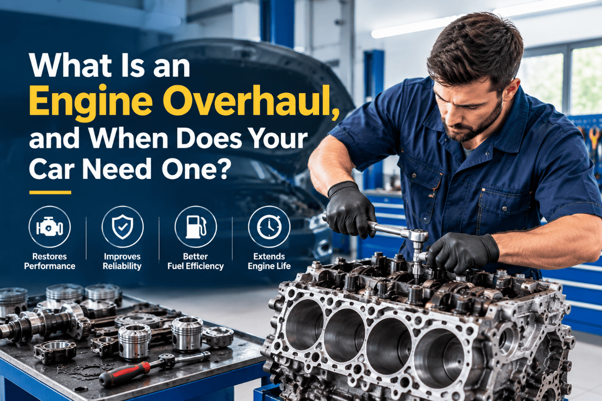
An engine is the heart of a car. It powers every trip, from a quick drive to the store to a long road journey. Over time, heat, friction, poor lubrication, and worn parts take a toll on its performance. When repairs no longer solve the main problem, an engine overhaul deserves a closer look.
So, what is an engine overhaul? It is a detailed repair process in which a mechanic takes apart an engine, inspects its internal parts, and repairs or replaces damaged components. The goal is to restore proper engine function and improve reliability. At 616 Auto Repair, understanding the cause of engine trouble helps drivers make informed choices about repairs, costs, and the future of their vehicles.
An engine overhaul involves taking apart much of the engine to inspect its condition. The mechanic cleans the parts, measures wear, and checks whether each component meets the required limits. Worn or damaged parts receive repairs or replacement based on the inspection results.
The exact work depends on the engine’s condition. Some engines need new piston rings, bearings, gaskets, or valve parts. Others require work on the cylinder walls or cylinder head.
There are two main types of engine overhaul:
A mechanic recommends the right level of work after testing the engine. This helps prevent unnecessary repairs and keeps the focus on the actual fault.
Read More :- How to Diagnose Engine Misfires When the Check Engine Light Turns On
Engine problems rarely appear without some sign of trouble. Paying attention to changes in how your car runs helps you seek repairs before the damage grows.
Watch for these warning signs:
1. Excessive Oil Consumption
If your car needs oil top-ups more often than expected, worn piston rings, valve seals, or other faults could be the cause. Low oil levels also increase friction and raise the risk of serious engine damage.
2. Blue, White, or Black Exhaust Smoke
Blue smoke often points to oil burning inside the engine. Thick white smoke after the engine warms up raises concern about coolant entering the combustion chamber. Black smoke suggests excess fuel or a problem with the air-fuel mix. A proper inspection helps identify the source.
3. Knocking or Tapping Sounds
A deep knocking sound points to possible trouble with internal engine parts, including bearings. Low oil pressure, worn parts, or poor lubrication also lead to engine noise. Stop driving if the noise is severe or the oil pressure warning light comes on.
4. Loss of Power and Poor Fuel Economy
A worn engine struggles to produce the power needed for normal driving. The car may feel slow during acceleration, use more fuel, or run unevenly at idle. These symptoms deserve a full check before you decide on major repairs.
An engine overhaul becomes a serious option when internal wear affects performance, oil use, compression, or reliability. Still, one warning light or unusual sound does not automatically mean the engine needs to come apart.
A mechanic starts with tests to find the root cause. Compression and leak-down tests help assess how well the cylinders seal. Oil pressure checks reveal possible lubrication problems, while a scan tool helps identify electronic faults.
Engine compression problems deserve special attention. Low compression can point to worn piston rings, damaged valves, or a faulty head gasket. However, testing is essential to confirm the cause.
An overhaul deserves consideration when:
At 616 Auto Repair, a proper diagnosis helps drivers compare an overhaul with a smaller repair or engine replacement.
A complete engine overhaul follows a clear process. Each stage helps the mechanic identify damage and restore the engine to proper operating limits.
Step 1: Diagnosis and Testing
The mechanic checks engine codes, oil pressure, compression, coolant condition, and other signs of trouble. These tests help confirm whether internal engine work is needed.
Step 2: Engine Disassembly
The engine is removed or opened as required. The mechanic takes apart the needed sections and labels the parts to support correct reassembly.
Step 3: Cleaning and Inspection
Internal parts are cleaned and checked for cracks, scoring, heat damage, and wear. Measurements show whether parts remain within the manufacturer’s limits.
Step 4: Repair and Replacement
The mechanic repairs or replaces damaged components. Work includes fitting new seals and gaskets, checking bearings, and inspecting pistons, valves, and cylinder surfaces. Machine work is required if certain parts fall outside approved limits.
Step 5: Reassembly and Testing
The engine is rebuilt to the correct specifications. The mechanic checks fluid levels, starts the engine, and tests for leaks, noise, and proper operation. A road test follows when the vehicle is safe to drive.
The right choice depends on the damage, vehicle age, parts supply, and repair budget. An overhaul keeps the original engine block when its condition supports further use. It also allows the mechanic to address worn internal parts.
Engine replacement offers another route when the block has severe damage or the cost of rebuilding is too high. A replacement engine also needs careful checks for compatibility, condition, and warranty coverage.
Engine rebuilding services focus on restoring worn internal components to working condition. The final choice should follow a written estimate that covers parts, labor, machine work, and any extra repairs discovered during disassembly.
Routine care protects the parts that keep an engine running. Oil reduces friction, coolant controls heat, and clean filters help maintain proper airflow. Skipping these basic tasks puts extra strain on the engine.
Follow these simple steps:
These habits do not prevent every engine fault, but they help reduce avoidable wear and support a longer service life.
Engine trouble does not always mean you need a new car. The right tests and repair plan help you understand the damage, weigh your options, and choose a practical way forward. Acting early also helps prevent small faults from causing more serious harm.
616 Auto Repair is here to help you assess engine concerns and understand the next steps. If your vehicle burns oil, loses power, overheats, or makes unusual sounds, schedule an inspection with our team. Contact 616 Auto Repair today to discuss your engine concerns and get a clear path toward dependable driving.
An engine overhaul involves taking apart an engine, inspecting its internal components, and repairing or replacing worn parts. The mechanic then reassembles and tests the engine to restore proper function and address the cause of the problem.
Common signs include blue exhaust smoke, high oil use, low power, rough idling, unusual knocking sounds, overheating, and poor fuel economy. Stop driving if the engine shows severe symptoms or the oil pressure warning light comes on.
An overhaul deserves consideration when tests reveal serious internal wear, low compression, bearing damage, or high oil consumption linked to engine faults. A mechanic should confirm the cause and compare repair options before recommending major work.
A complete overhaul includes engine disassembly, cleaning, inspection, measurement of internal parts, and repair or replacement of worn components. The mechanic then reassembles the engine, checks fluid systems, and tests its operation for proper performance.
The terms overlap, and shops use them in different ways. Both involve inspecting internal parts and replacing or repairing worn components. The exact scope depends on the engine’s condition and the work listed in the repair estimate.
A well-executed overhaul, followed by proper maintenance, supports years of further use. The actual lifespan depends on repair quality, replacement parts, driving habits, service intervals, and the condition of other vehicle systems.