- Bays Available Today
- Bays Available Today
- Bays Available Today
- Bays Available Today
- Bays Available Today
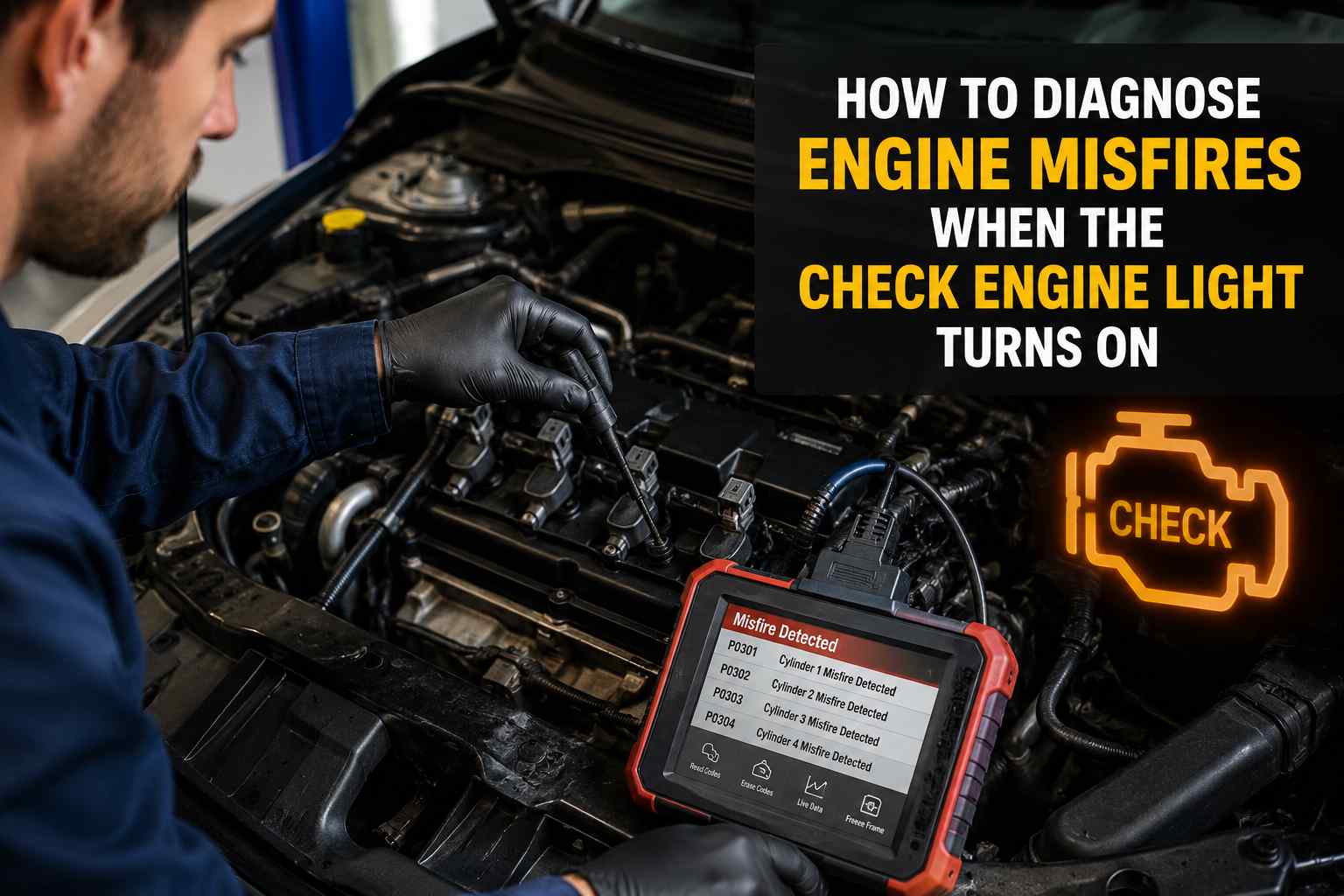
Your check engine light has just turned on, and your car feels unusual. It might shake while idling or hesitate when you accelerate. This rough feeling usually points to one culprit: an engine misfire. Knowing how to diagnose engine misfires early saves you money, time, and stress down the road. At 616 Auto Repair in Grand Rapids, MI, our ASE-certified team walks drivers through the warning signs, the causes, and the fix, so you get back on the road feeling confident.
An engine misfire happens when one or more cylinders do not ignite properly. Instead of burning fuel and air smoothly, the cylinder skips a beat. You can feel this as a jerk, a stumble, or a shake from the engine. While a single misfire might seem minor, repeated misfires can quickly damage engine parts and reduce fuel economy over time.
Related Blog: How Professional Engine Diagnostics Can Save Your Money on Repair
The onboard computer in your car monitors every cylinder, sensor, and spark. The moment it spots an irregular pattern, it stores a trouble code and lights up the dash. That is why the check engine light turns on for most drivers. A steady light means a mild issue. A flashing light means the misfire is serious enough to damage the catalytic converter if you keep driving.
Symptoms show up in different ways depending on the vehicle and the cause. Watch for these signs:
These are the common symptoms of an engine misfire most drivers notice first. If you spot two or more of these together, get your vehicle checked without delay.
Driving a vehicle that has a misfiring cylinder is technically feasible for short distances, but it is highly discouraged due to the potential risks involved. When a cylinder misfires, it means that the engine is not firing correctly, which can cause an imbalance in the engine’s performance. This misfire leads to increased strain on several critical components of the vehicle, including the engine itself, which may experience excessive wear over time due to inefficient combustion.
A proper repair starts with the right process, not guesswork. Here is what a thorough inspection looks like, step by step:
A proper repair starts with the right process, not guesswork. Skipping straight to parts replacement often wastes money without fixing the real problem. Here is what a thorough inspection looks like, step by step:
Step 1: Scan for Trouble Codes
A diagnostic scanner pulls the exact cylinder number causing trouble, giving technicians a clear starting point instead of a random guess at the source.
Step 2: Inspect Spark Plugs and Coils
Worn plugs or a failing coil are the top causes of a rough-running engine, and a close visual check often reveals fouling or damage right away.
Step 3: Check Fuel Pressure and Injectors
Weak fuel delivery starves a cylinder of what it needs to fire cleanly, so technicians measure pressure and inspect injectors for clogs or leaks.
Step 4: Look for Vacuum Leaks
A cracked hose lets in extra air and throws off the fuel mix, often triggering a misfire that mimics a completely different problem.
Step 5: Run a Compression Test
Low compression in one cylinder points to deeper engine wear, signaling an issue that goes beyond simple parts replacement.
Step 6: Test the Ignition Timing
Timing issues can cause a misfire even when every part looks fine, which is why this check rounds out a complete diagnosis.
Skipping steps often leads to wasted parts and repeat visits. A full inspection covers each step above, so nothing gets missed the first time around.
Must Read: Engine Misfire vs. Transmission Problem: Key Difference You Should Know
Several things can trigger a misfire, and pinpointing the exact one matters. Common causes include:
Each cause needs a different fix, which is why guessing rarely works out well for the driver or the wallet.
When your dash lights up, you want answers fast and repairs done right the first time. Our engine misfire diagnostics services use the latest scan tools to pinpoint the exact cylinder and cause, not just a generic code on a printout.
We offer a complete engine diagnostic service Grand Rapids drivers count on, backed by dependable client care, transparent client service, and dedicated client support. Beyond misfires, our shop handles brakes, transmissions, tires, and full automotive repair services under one roof, so your vehicle gets everything it needs in one visit.
Do not let a rough-running engine turn into a bigger repair bill. Bring your vehicle to 616 Auto Repair in Grand Rapids, MI, and let our friendly, ASE-certified team find the exact cause and get you back on the road with confidence. Call us today or stop by our Plainfield Avenue shop to schedule your engine diagnostic appointment.
Worn spark plugs, failing ignition coils, clogged fuel injectors, low fuel pressure, vacuum leaks, and low engine compression are the leading causes. Each one disrupts the fuel and spark balance a cylinder needs, leading to rough running and a lit check engine light.
Short, slow trips may be manageable, but driving on a misfire for long stretches risks damaging the catalytic converter and other engine parts. It is best to get the vehicle checked soon rather than pushing through daily driving on a rough-running engine.
A flashing light signals a severe, active misfire that could quickly damage the catalytic converter. Unlike a steady light, this calls for pulling over safely and arranging a tow or prompt inspection rather than continuing the drive as usual.
Technicians start with a diagnostic scan to find the affected cylinder, then inspect spark plugs, coils, fuel pressure, and vacuum lines. Our local engine diagnostics services use this same process, following each step with a compression test to rule out deeper engine wear before recommending the right repair.
Yes. Bad spark plugs are one of the most common triggers of a misfire. Worn or fouled plugs fail to create a strong, consistent spark, which leaves fuel in a cylinder unburned. Over time, this shows up as rough idle, hesitation, and a lit check engine light.
Yes, over time. A misfire sends unburned fuel into the exhaust, which overheats and damages the catalytic converter. It also strains pistons, valves, and sensors, so a prompt car engine misfire repair helps avoid turning a small fix into an expensive repair bill.
Yes. Low fuel pressure starves a cylinder of the fuel it needs to fire cleanly, often due to a weak fuel pump, a clogged filter, or a failing pressure regulator. This creates a lean condition that leads to hesitation, stumbling, and misfire codes.
Cost depends on the cause, since a misfire diagnosis can point to anything from a single spark plug to a fuel or compression issue. Because misfires often connect to other systems, our full range of automotive repair services lets us inspect everything under one roof and give an accurate quote before work begins.
The first signs of an engine misfire usually include a rough idle, a slight shake at stoplights, or a brief hesitation when accelerating. Drivers often notice these small changes before the check engine light even comes on, making early attention worthwhile.
No. A flashing check engine light means the misfire is active and severe enough to damage the catalytic converter within minutes of driving. The safest step is to reduce engine load, pull over when possible, and schedule prompt check engine light repair rather than continuing the trip.