- Bays Available Today
- Bays Available Today
- Bays Available Today
- Bays Available Today
- Bays Available Today
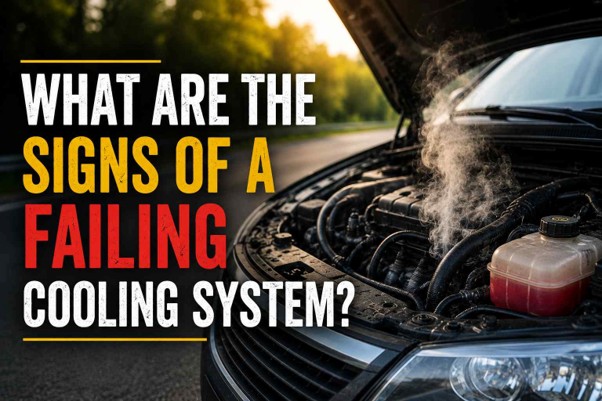
A car cooling system keeps the engine from getting too hot. When the system starts to fail, the engine can overheat, leak coolant, or show warning lights. These are some of the signs of a failing cooling system that drivers should not ignore. Spotting these signs early can help stop engine damage and save money on repairs. At 616 Auto Repair, automotive care is more than a service. It is our passion. We help drivers across Grand Rapids with maintenance, repairs, and vehicle upgrades.
Your engine makes a lot of heat while it runs. The cooling system helps move that heat away. It uses coolant, a radiator, hoses, and other parts to keep the engine at a safe temperature. When one part stops working, the whole system can struggle. This can cause the engine to get too hot and lead to repair bills.
Many warning signs can point to cooling system trouble.
● Engine Temperature Gauge Rising: The gauge on your dashboard should stay in a normal range. If it starts moving higher than normal, the cooling system may need attention.
● Steam Coming From Under the Hood: Steam is a sign that the engine has become too hot. Pull over when it is safe and let the engine cool down.
● Coolant Leaks: Coolant leaks can leave colored puddles under your vehicle. Low coolant levels can lead to engine heat problems.
● Sweet Smell Around the Vehicle: Coolant has a sweet smell. If you notice this odor, there may be a leak somewhere in the system.
A sweet smell can mean coolant is leaking from a hose, radiator, or heater core. Coolant has a sweet scent, so this smell should be checked before it leads to larger cooling system problems.
● Frequent Coolant Refills: If you keep adding coolant, there is likely a leak or another issue that needs repair.
● Poor Heater Performance: A weak heater can be a clue that coolant is not moving through the system as it should.
Many drivers ask, how do I know if my cooling system is failing?
Look for warning signs such as rising engine temperatures, coolant leaks, steam, dashboard lights, or a heater that does not work well. If you notice one or more of these signs, have the vehicle inspected.
Several issues can cause cooling system failure. These are some of the common cooling system problems in cars.
● Leaking Radiator: A crack or worn seal can allow coolant to escape.
● Damaged Hoses: Hoses can crack as they age. This can cause coolant loss.
● Faulty Water Pump: The water pump moves coolant through the engine. A bad pump can lead to overheating.
● Stuck Thermostat: A thermostat that gets stuck can block coolant flow.
● Cooling Fan Failure: The cooling fan helps remove heat from the radiator. If it stops working, engine temperatures can rise.
Most vehicles need fresh coolant every 30,000 to 60,000 miles. Follow the coolant replacement timeline listed in your vehicle owner’s manual. Clean coolant helps protect the radiator, water pump, and other cooling system parts.
Many drivers wonder, what causes cooling system problems?
● Lack of Maintenance: Skipping inspections can allow small issues to grow.
● Old Coolant: Coolant breaks down over time and can lose its ability to protect the system.
● Worn Parts: Radiators, hoses, and pumps wear out as vehicles age.
● Small Leaks: A tiny leak can lower coolant levels and lead to overheating.
If you ask, why is my engine running hot, there may be several causes.
Common reasons include:
Yes. Slow traffic reduces airflow through the radiator. This can cause engine temperatures to rise, especially if the cooling system already has weak parts or low coolant levels.
A professional cooling system inspection can help find hidden problems before they turn into major repairs. We check coolant levels, hoses, the radiator, and other parts to make sure the system works as it should.
A car Cooling System Repairing service may be needed if your vehicle overheats, leaks coolant, or shows warning lights.
Warning Signs That Need Fast Attention
Pull over when it is safe. Turn off the engine and let it cool. Do not open the radiator cap while the engine is hot because hot coolant can cause serious burns.
A road trip vehicle inspection helps lower the risk of a breakdown. Checking coolant levels, hoses, and the radiator before a long drive can help keep your trip on track.
Yes. Towing makes the engine work harder and create more heat. A cooling system in good shape helps control engine temperature and lowers the chance of overheating during towing.
Our Automotive Repair Specialists use tools to find leaks, test pressure, and check cooling system parts. These tests help us find the cause of the problem and recommend the right repair.
Cooling System Maintenance Tips
At 616 Auto Repair, we care about keeping your vehicle safe and dependable. Our team helps drivers across Grand Rapids with cooling system repairs, maintenance, and inspections.
Knowing the warning signs of cooling system trouble can help protect your engine. If you notice leaks, overheating, steam, or warning lights, do not wait. Contact us at 616 Auto Repair and let our team help keep your vehicle ready for the road!