- Bays Available Today
- Bays Available Today
- Bays Available Today
- Bays Available Today
- Bays Available Today
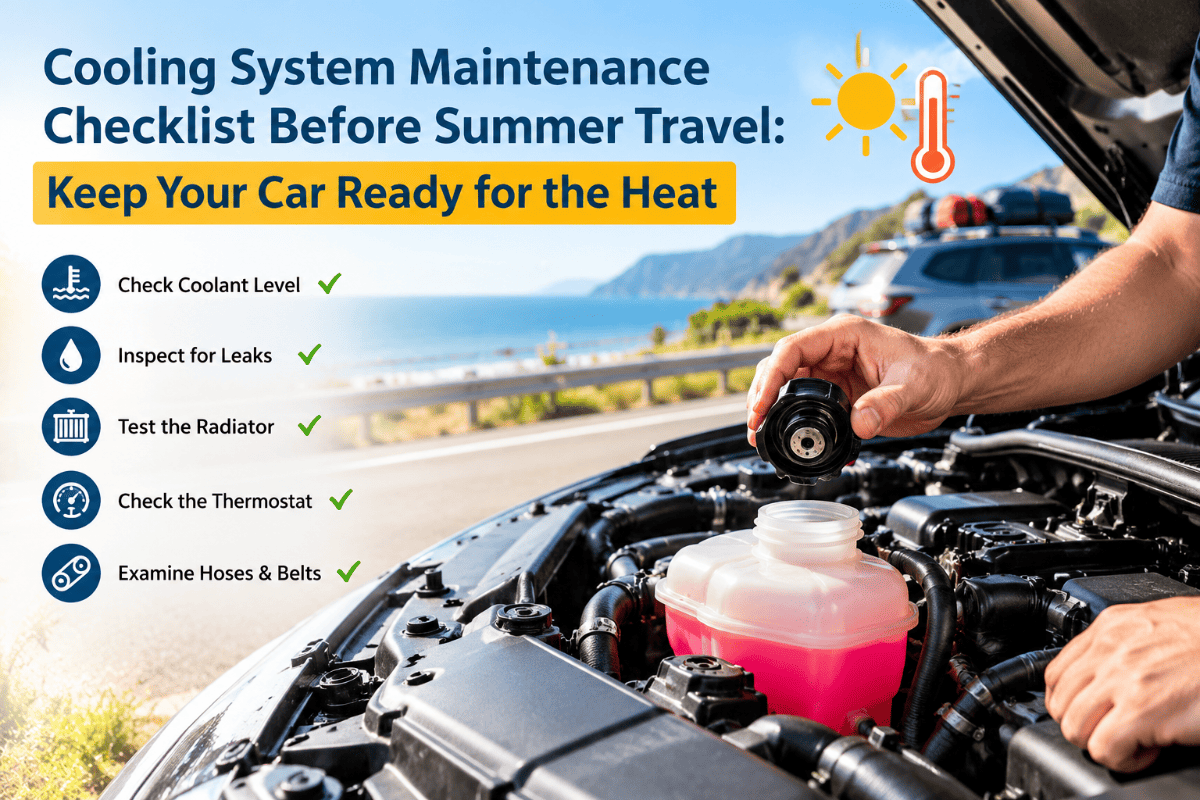
A summer road trip should be about open roads, family fun, and reaching your destination without trouble. An overheated engine, however, turns a good trip into a stressful day on the roadside. Hot weather, long drives, heavy traffic, and low coolant levels put extra strain on your car’s cooling system.
At 616 Auto Repair, we believe a little preparation goes a long way. Following a cooling system maintenance checklist before your trip helps you spot warning signs, protect vital engine parts, and reduce the risk of a breakdown. From checking coolant levels to inspecting hoses and the radiator, these simple steps help prepare your vehicle for hot summer drives.
Your engine creates a lot of heat while it runs. The cooling system moves coolant through the engine and radiator to keep the temperature within a safe range. A thermostat helps control coolant flow, while a water pump moves the fluid through the system. The radiator then releases heat into the air.
If any part fails, engine temperatures rise. Continued overheating damages gaskets, cylinder heads, and other costly components. Therefore, car cooling system maintenance deserves attention before a long summer drive, especially if your route includes steep roads, traffic jams, or long stretches with few service stations.
A few basic checks help reveal problems before you leave home. Follow this practical list, and arrange professional service if you notice signs of trouble.
1. Check the Engine Coolant Level
Park your car on level ground and let the engine cool fully. Check the coolant level in the reservoir and compare it with the minimum and maximum marks. If the level falls below the recommended line, inspect for leaks and top up with the coolant type listed in your owner’s manual.
Never remove the radiator cap while the engine is hot. Pressurized coolant causes severe burns. Also, avoid mixing coolant types unless the vehicle manufacturer approves it.
2. Inspect the Radiator for Damage
The radiator releases heat from the coolant as air passes through its core. Dirt, leaves, bent fins, and other debris restrict airflow and reduce cooling performance.
A proper radiator inspection and maintenance check includes looking for visible damage, coolant stains, corrosion, and blocked fins. Keep the area around the radiator clear. A technician also checks the radiator cap and pressure rating to confirm the system holds pressure as designed.
3. Examine Hoses and Clamps
Coolant hoses carry hot fluid between the engine, radiator, and other cooling components. Over time, rubber becomes brittle, swollen, cracked, or soft. Loose clamps also allow coolant to escape.
Inspect visible hoses for damage and check the ground beneath the parked car for colored fluid. If a hose looks worn or you notice a leak, arrange repairs before your trip rather than hoping it holds up on the road.
4. Check the Cooling Fan
The cooling fan pulls or pushes air through the radiator, especially when the car moves slowly or stands in traffic. A faulty fan motor, damaged wiring, or failed relay reduces airflow and raises engine temperature.
Watch the temperature gauge during normal operation. A trained technician checks the fan and its controls if the engine heats up in traffic. Never put your hands near the fan, since some fans start automatically even when the engine is off.
5. Review the Thermostat and Water Pump
The thermostat controls coolant flow as the engine warms up. If it sticks closed, the engine overheats. A worn water pump also disrupts coolant circulation, while a damaged pump seal leads to leaks.
Inspect these parts more closely if your car runs hotter than normal, loses coolant, or shows signs of poor circulation. Our team checks the cause before recommending a repair.
Read More :-What Is an Engine Overhaul, and When Does Your Car Need One?
A pre-trip inspection is a strong first step, but smart driving habits also help protect your engine. Follow these tips to reduce stress on the cooling system.
Learning how to prevent engine overheating during summer trips also means knowing when to stop. If the temperature gauge enters the red zone or a warning light signals overheating, pull over somewhere safe and switch off the engine. Never open a hot cooling system. Arrange help if the temperature stays high or coolant leaks.
Some cooling system faults start with small changes in how your car runs. Spotting these signs early helps you avoid major engine damage.
Look out for:
These symptoms point to possible radiator problems in hot weather, a damaged hose, a faulty thermostat, or another cooling system fault. An engine cooling system inspection helps identify the cause and guides the right repair.
A quick visual check helps, but some problems need testing tools and trained hands. Pressure testing helps locate leaks, while a coolant test checks the fluid’s condition. A technician also checks the thermostat, water pump, fan operation, and signs of internal leaks when needed.
At 616 Auto Repair, we inspect cooling system parts and explain the repairs your vehicle needs. If you are looking for the nearest auto repair shop before a road trip, choose a service provider equipped to inspect the radiator, hoses, coolant, and related parts. Timely cooling system repair helps address faults before they disrupt your travel plans.
A reliable cooling system protects your engine, supports steady performance, and keeps your summer plans on track. Before heading out, take time to check the coolant, inspect visible parts, and address warning signs instead of waiting until the last minute.
At 616 Auto Repair, we help drivers prepare their vehicles for the heat with professional inspections and dependable repair guidance. Contact our team to schedule a cooling system check before your next road trip. Let us help you travel with greater confidence and keep your car ready for the miles ahead.
Check the coolant level and condition, inspect the radiator and hoses, look for leaks, and review fan operation. Also, check the temperature gauge and arrange a professional inspection if warning signs appear.
Watch for rising engine temperatures, coolant puddles, steam, a sweet smell, or repeated coolant loss. Rust, visible radiator damage, and frequent overheating also call for a professional inspection before further driving.
Check coolant levels before a long trip and during routine vehicle care. Replacement intervals depend on the coolant type and vehicle manufacturer’s schedule. Check the owner’s manual and replace old or contaminated coolant as directed.
Low coolant, a blocked radiator, a faulty thermostat, a failing water pump, or a damaged cooling fan all lead to overheating. Heavy traffic, high outdoor temperatures, and extra engine load add further strain.
No. A coolant leak raises the risk of sudden overheating and serious engine damage. Arrange an inspection and repair before a long journey. If the engine overheats, stop safely, switch it off, and seek roadside assistance.