- Bays Available Today
- Bays Available Today
- Bays Available Today
- Bays Available Today
- Bays Available Today
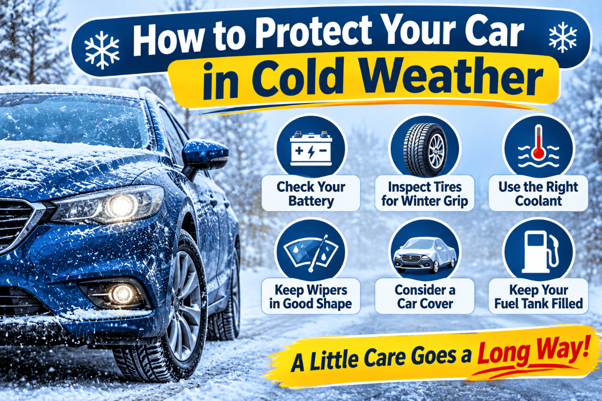
Winter brings freezing mornings, icy roads, and long nights. While you bundle up to stay warm, your car needs extra care too. Cold temperatures affect the battery, engine oil, tires, brakes, and other key parts. A little preparation before winter helps your vehicle start with ease and run well throughout the season.
Knowing how to protect your car in cold weather also saves time, supports safe driving, and helps you avoid costly repairs. At 616 Auto Repair, we believe winter care starts with simple checks and timely service. With the right steps, you can keep your car ready for cold mornings and long winter drives.
Cold weather changes how different car parts work. Engine oil gets thicker, batteries lose some of their power, and tire pressure drops as the air gets colder. Rubber parts also become less flexible, while road salt and moisture add extra wear to metal parts.
Your engine needs more power to start on a freezing morning. At the same time, thick oil takes longer to flow through the engine. These changes make winter care important for both older and newer vehicles.
A good cold-weather car protection plan covers the main parts of your vehicle. It also gives you a clear idea of which checks to complete before temperatures drop.
Read More :- What Causes Transmission Fluid to Leak From a Vehicle? 9 Common Reasons to Know
Your car battery needs special attention during winter. Cold temperatures slow down the chemical reaction inside the battery, which reduces its ability to deliver power. Starting the engine also takes more energy in cold weather.
A weak battery has a harder time starting the car on freezing mornings. Therefore, check its age, charge, and overall condition before winter begins.
Signs Your Battery Needs Attention
Look for these common signs:
Also, check the battery terminals for dirt and corrosion. Clean connections support a steady flow of power. At 616 Auto Repair, we recommend a battery test before winter so you know whether your car has enough power for cold starts.
Engine oil plays a key role in keeping your car healthy. It reduces friction between moving engine parts and helps control heat. However, cold temperatures make some oils thicker, which slows their flow during startup.
Check your owner’s manual for the right oil grade for your vehicle. The correct oil helps your engine receive proper lubrication during cold starts. Follow the oil change schedule as well.
Your car also needs the right levels of other fluids. Check these before winter:
A proper fluid check forms a key part of cold weather vehicle maintenance. Our technicians at 616 Auto Repair inspect important engine fluids and help keep your vehicle ready for winter driving.
Tires play a major role in safe winter driving. Cold air lowers tire pressure, which affects grip, handling, and fuel use. Check tire pressure when the tires are cold and follow the pressure listed on the driver’s door label.
Tread depth matters too. Good tread helps your tires grip wet, snowy, and slushy roads. Check the tread across each tire and look for uneven wear, cracks, or bulges.
Winter tires offer extra grip in areas with regular snow and ice. Their rubber stays more flexible in low temperatures than standard all-season tires. Check your local road conditions and choose tires that suit your driving needs.
Brakes also need proper care. Listen for squealing sounds, notice changes in pedal feel, and pay attention to dashboard warning lights. Ask a mechanic to inspect the brake pads, rotors, and brake fluid before winter trips.
Your engine works hard during cold starts. Proper care helps it reach the right operating temperature and keeps its parts working as they should.
Start with a coolant check. The right coolant mix protects the radiator, hoses, water pump, and engine from freezing. It also helps control heat once the engine reaches its normal operating temperature.
Check the radiator and cooling system for leaks. Look at the hoses for cracks, swelling, or loose connections. A damaged hose or low coolant level affects the system’s ability to control engine heat.
Cold weather care also supports engine health throughout the year. If your temperature gauge rises above its normal range, arrange an inspection with our Engine Maintenance shop.
Small habits go a long way during the cold season. You do not need a long list of special tools. A few simple steps help protect your vehicle and keep it ready for daily use.
Park Smart and Protect the Exterior
A garage gives your car some protection from snow, ice, wind, and freezing rain. If you park outside, use a good car cover made for winter weather. It helps protect the paint from snow and ice.
Wash your car on clear days when temperatures allow. Road salt sticks to the body, wheels, and undercarriage. Regular washing removes salt and dirt before they build up. Give extra care to the wheel wells and lower body panels.
Keep Essential Items in Your Car
Prepare a small winter kit with useful items for cold mornings and long drives:
Also, keep your fuel tank at least half full during winter trips. This gives you a useful fuel reserve and reduces the amount of air inside the tank.
Modern cars do not need long warm-up periods. Start the engine, allow a short moment for oil to circulate, and then drive at a gentle speed. Avoid hard acceleration until the engine reaches its normal operating temperature.
Never leave a running car in a closed garage. Exhaust fumes contain carbon monoxide, which poses a serious health risk. Clear snow and ice from all windows, mirrors, lights, and the roof before driving.
Use the heater and defroster to clear your windshield. Good visibility helps you stay in control on winter roads. Smooth braking and gentle steering also help maintain grip on icy surfaces.
Cold weather puts extra demands on your vehicle, but the right care keeps its key parts ready for the season. From battery tests and oil checks to tire inspections and cooling system care, each step supports a safer, smoother drive.
At 616 Auto Repair, we provide reliable vehicle care to help you prepare for winter. Our technicians inspect key systems, explain your car’s needs, and help you plan the right service.
Book a winter inspection with 616 Auto Repair today and learn the best ways to winterize your car for a smooth and safe winter driving season!
Check your battery, engine oil, coolant, tires, and brakes before winter. Use winter-rated washer fluid, keep your fuel tank at least half full, and park in a covered space when possible.
The battery, engine oil, tires, cooling system, fuel system, and rubber parts need extra care in freezing temperatures. Cold weather affects battery power, fluid flow, tire pressure, and the flexibility of rubber parts.
Yes. Check your vehicle before each winter, even if you completed these steps last year. Battery health, tire wear, fluid levels, and cooling system condition change with use and age.
Yes. A garage shields your vehicle from snow, ice, freezing rain, and strong winds. It also helps reduce ice buildup on windows and makes your morning routine easier.
Check engine oil, coolant, brake fluid, transmission fluid, and windshield washer fluid. Use the grades and types listed in your owner’s manual to support proper performance in cold temperatures.