- Bays Available Today
- Bays Available Today
- Bays Available Today
- Bays Available Today
- Bays Available Today
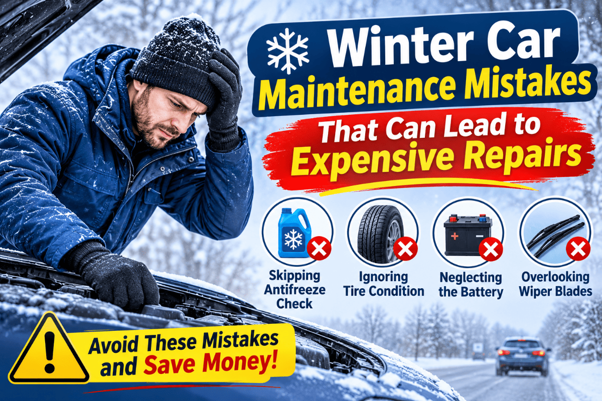
Winter brings freezing mornings, icy roads, and long nights. These changes put extra stress on your car’s engine, battery, tires, brakes, and other key parts. A vehicle that runs well during summer needs a little extra care once temperatures drop. Small maintenance tasks, such as checking fluid levels or testing the battery, help keep your car ready for cold days. However, skipping these tasks can lead to costly repair bills.
At 616 Auto Repair, we help drivers keep their vehicles in good shape with proper inspections, timely repairs, and useful winter car maintenance tips. Knowing which mistakes to avoid helps protect your car and keeps your winter drives smooth.
Cold weather affects how different car parts work. Engine oil gets thicker, tire pressure drops, and batteries lose some of their power. Your car also needs more energy to start on cold mornings. At the same time, snow, ice, road salt, and wet roads put extra strain on tires, brakes, and other parts.
A regular service check helps spot wear and gives your vehicle the care it needs before winter conditions become severe. It also helps you plan small repairs before they turn into larger jobs.
Good cold weather car care starts with a few basic checks. However, drivers also need to understand the mistakes that put their vehicles at risk.
Read More :- How Is a Transmission Fluid Leak Diagnosed and Repaired?
1. What Happens When You Ignore Your Car Battery?
A weak battery creates trouble on cold mornings. Low temperatures slow the chemical reactions inside the battery, which reduces its ability to deliver power. At the same time, a cold engine needs more power to start.
Drivers who ignore an aging battery often face starting trouble when they need their cars the most. Corroded battery terminals, loose connections, and worn battery cables add to the problem. A battery that struggles during mild weather needs attention before freezing temperatures arrive.
At 616 Auto Repair, we recommend a battery test before winter sets in. A proper check looks at battery health, charging levels, terminal connections, and signs of wear. Also, check your battery’s age. Most car batteries last around three to five years, although driving habits and weather affect their lifespan.
2. Why Should You Never Ignore Engine Oil and Other Fluids?
Engine oil protects moving parts and helps reduce friction inside the engine. However, cold temperatures make oil thicker. Thick oil takes longer to flow through the engine after a cold start. Using the oil grade recommended by your vehicle maker helps the engine get proper protection during winter.
Coolant deserves equal attention. It helps control engine temperature and protects the cooling system from freezing. The wrong coolant mix or a low coolant level affects engine protection. A coolant leak also needs prompt attention.
Brake fluid, windshield washer fluid, and transmission fluid deserve a place on your winter checklist. Use winter-grade washer fluid with a suitable freezing point. Check all fluid levels and look for leaks before cold weather arrives.
A routine engine maintenance service helps check oil condition, fluid levels, filters, belts, and other key engine parts. At 616 Auto Repair, we focus on these checks to support engine health and steady performance.
3. How Does Poor Tire Care Affect Winter Driving?
Your tires form the only contact between your car and the road. Their condition plays a key role in grip, braking, and control. Cold air also lowers tire pressure. For every 10-degree Fahrenheit drop in temperature, tire pressure drops by about one PSI.
Driving with low tire pressure increases tire wear and affects handling. Worn tread also reduces grip on wet, snowy, and icy roads. Check your tire pressure with a gauge and follow the pressure listed on your driver’s door sticker. Do not use the maximum pressure printed on the tire sidewall as your target.
Check these tire details before winter:
If your area gets heavy snow, consider winter tires that suit your vehicle and local driving conditions. Also, rotate your tires according to the vehicle manufacturer’s schedule.
4. Why Is It Important to Check Your Brakes Before Winter?
Winter roads bring rain, snow, ice, and slush. These conditions demand good brakes and steady tire grip. Worn brake pads, damaged rotors, or low brake fluid affect your ability to stop with control.
Pay attention to squealing sounds, grinding, pedal vibration, or changes in braking response. These signs call for a brake inspection. Road salt also speeds up rust on metal parts, including brake components. A brake check helps find wear and keeps the system in good working order.
At 616 Auto Repair, we inspect brake pads, rotors, fluid, and related parts to check their condition. Timely brake care supports safe driving throughout the winter season.
5. Why Should You Avoid Long Warm-Up Times?
Older cars needed longer warm-up periods, but modern fuel-injected engines work in a different way. Most newer vehicles need only a short warm-up after starting. In many cases, about 30 seconds gives the engine enough time to begin running smoothly.
After starting the car, drive at a gentle pace until the engine reaches its normal operating temperature. Avoid hard acceleration and high engine speeds during this time. This approach helps engine oil reach key parts while the vehicle warms up under light use.
Long idling wastes fuel and adds extra exhaust to the air. It also does little to warm the transmission, tires, and other moving parts. Give your car a short start-up period, then drive with care.
6. What Problems Can a Dirty Air Filter Cause?
Your engine needs a steady supply of clean air to work well. A dirty engine air filter limits airflow and affects engine performance. It also puts extra strain on the engine as it works to draw in air.
The cabin air filter needs attention too. It helps keep dust and other particles out of the air that enters the cabin. A clogged filter reduces airflow from the heater and defroster. This makes it harder to keep the windshield clear on cold mornings.
Check both filters during a winter inspection. Replace them according to your vehicle maker’s service schedule and driving conditions. Clean filters support engine performance and improve airflow inside the car.
7. Why Should You Keep Your Gas Tank at a Good Level?
Keeping your gas tank above one-quarter full gives you a useful fuel reserve during winter. Traffic delays, road closures, and long waits in cold weather increase fuel needs. A good fuel level also gives you more flexibility if you need to take a different route.
A fuller tank also reduces the amount of empty space where moisture can collect. In freezing weather, water in the fuel system creates trouble, especially in older vehicles and certain diesel systems.
Make a habit of filling up before the fuel level gets too low. Also, check your fuel cap for a proper seal. These simple steps support reliable fuel system operation.
8. How Can You Avoid Winter Vehicle Maintenance Problems?
Small checks throughout the season help your car stay ready for changing road and weather conditions. Follow the service schedule in your owner’s manual and pay attention to new sounds, warning lights, or changes in performance.
Proper winter car maintenance should cover key systems and parts, not just one area. At 616 Auto Repair, we encourage drivers to check the following items:
These checks help you spot wear early and get a clear idea of your car’s condition.
Winter driving puts extra demands on your vehicle, but the right care helps keep every trip on track. From battery testing and tire checks to fluid inspections and brake care, small steps support long-term vehicle health.
At 616 Auto Repair, we provide professional inspections and repair services to help drivers prepare for cold weather. Our goal is to keep your vehicle running well and help you stay ahead of costly repairs.
Do not wait for the first freezing morning to check your car. Contact 616 Auto Repair today to schedule your winter inspection and get expert help with how to avoid expensive winter car repairs.
Common mistakes include ignoring battery health, using the wrong engine oil, driving with low tire pressure, skipping brake checks, and forgetting coolant levels. Regular inspections help keep these key parts in good shape.
Yes. Poor battery care, low coolant, worn tires, and old engine oil increase the risk of larger repair jobs. Routine checks help catch these issues early and support better vehicle performance.
Yes. Long idling wastes fuel and adds exhaust to the air. Most modern cars need only a short warm-up. Drive at a gentle pace until the engine reaches its normal temperature.
Keeping your gas tank above one-quarter full gives you extra fuel during traffic delays and long trips. It also reduces empty space in the tank, which helps limit moisture buildup.
Follow your vehicle maker’s service schedule and adjust checks to your driving conditions. Check tire pressure, lights, and fluid levels each month. Arrange an inspection if you notice changes in performance.