- Bays Available Today
- Bays Available Today
- Bays Available Today
- Bays Available Today
- Bays Available Today
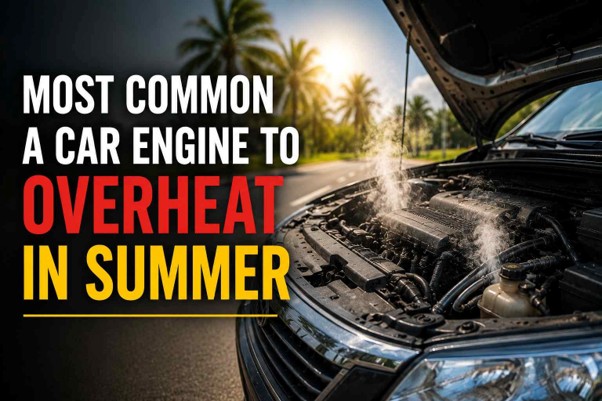
A car engine can overheat in summer when it gets too hot and cannot cool down properly. What causes an engine to overheat in hot weather includes low coolant, broken cooling parts, clogged radiators, and hard driving conditions. If the engine gets too hot, it can suffer serious damage. Knowing the causes and warning signs can help you avoid costly repairs and keep your vehicle running safely.
Hot summer days can be tough on any vehicle. Watching for overheating engine symptoms and keeping up with maintenance can help prevent problems before they become expensive repairs.
Your engine creates heat every time you drive. During summer, the outside air is already hot. This makes it harder for the cooling system to keep the engine at a safe temperature. Long trips, traffic jams, and towing can make the engine work even harder.
Many drivers ask this question during the hottest months of the year. What causes an engine to overheat in hot weather is anything that stops heat from leaving the engine. When coolant cannot move correctly or cooling parts stop working, temperatures rise quickly.
Understanding Your Vehicle’s Cooling System
Your cooling system helps control engine temperature.
The system includes:
All these parts work together to remove extra heat from the engine.
1. Low Coolant Levels
Coolant takes excess heat away from the engine and into the radiator. If coolant gets low, the engine may become too hot. Regular summer car maintenance can help catch this problem early.
2. Coolant Leaks
Coolant can leak from hoses, fittings, or other cooling parts. Even a small leak can lower coolant levels and increase engine temperature.
Take a quick look at your coolant level each month throughout the summer season. It is also smart to inspect coolant levels before long road trips or vacations.
3. Faulty Radiator
The radiator helps release heat from the coolant. When it becomes damaged or blocked, heat cannot escape properly.
4. Broken or Worn Water Pump
The water pump pushes coolant across the engine to help control heat. A worn pump can stop coolant from flowing where it is needed.
5. Malfunctioning Thermostat
The thermostat controls coolant movement. If it gets stuck, coolant may not circulate correctly.
6. Damaged Cooling Fans
Cooling fans push air through the radiator. If the fans stop working, temperatures can rise fast, especially in traffic.
7. Clogged Radiator or Cooling Passages
Dirt, rust, and debris can block coolant flow. A professional car cooling system inspection can help find these hidden problems.
8. Failing Radiator Hoses
Hoses carry coolant between cooling system parts. Old hoses can crack, leak, or collapse.
9. Engine Oil Issues
Engine oil helps reduce heat and friction. Low oil levels can make the engine run hotter than normal.
10. Heavy Driving Conditions
Towing, climbing hills, and sitting in heavy traffic can increase engine temperatures.
Yes. Towing makes the engine work harder. During hot weather, this extra workload can increase temperatures and raise the chance of overheating.
Knowing overheating engine symptoms can help you act before major damage occurs.
● Rising Temperature Gauge: A high temperature reading is one of the first warning signs.
● Steam Coming From Under the Hood: Steam means the cooling system is getting too hot.
● Burning Smells: Hot fluids or engine parts may create unusual smells.
● Reduced Engine Performance: The vehicle may feel weak or lose power.
● Dashboard Warning Lights: Warning lights should never be ignored.
Drivers should watch for temperature warnings, coolant alerts, oil pressure lights, and check engine lights. These signals can warn about developing engine problems.
Many vehicle owners ask what engine overheating can do to their car over time.
● Potential Damage to the Head Gasket: Extreme heat can damage the head gasket and cause coolant loss.
● Warped Engine Components: Too much heat can bend important engine parts.
● Complete Engine Failure Risks: Severe overheating can lead to major engine damage.
● Expensive Repair Costs: Repairing an overheated engine can cost much more than preventive maintenance.
Learning how to prevent engine overheating during summer can help protect your vehicle.
● Check Coolant Regularly: Keep coolant at the correct level.
● Schedule Routine Car Cooling System Inspection: Routine car cooling system inspection services help find small issues before they become big problems.
● Monitor Engine Oil Levels: Clean oil helps control engine heat.
● Replace Worn Components Before They Fail: Replace damaged hoses, belts, and cooling parts when needed.
● Avoid Overloading Your Vehicle: Extra weight can put more stress on the engine.
● Follow a Summer Car Maintenance Checklist: Regular summer car maintenance helps your vehicle stay ready for hot weather driving.
Yes. Air conditioning uses engine power. If cooling system parts are weak, running the A/C can make overheating problems easier to notice.
If your vehicle overheats or shows warning signs, schedule auto engine diagnostic services. Professional inspections can find hidden problems before they cause major repairs. If temperature problems happen more than once, auto engine diagnostic services can help identify the exact cause.
At 616 Auto Repair, automotive care is more than a service. It is our passion. We proudly help drivers throughout Grand Rapids with maintenance, repairs, and vehicle customization services.
As a family-owned business, we are committed to honest service and dependable workmanship. Our team includes certified automotive technicians who understand cooling systems and engine performance.
Whether your vehicle needs maintenance or car cooling system repair, we work hard to provide reliable solutions. As a trusted auto repair shop, we focus on helping drivers avoid costly breakdowns through quality service and preventive care. Our certified automotive technicians carefully inspect your vehicle and recommend the repairs it truly needs.
Understanding how to prevent engine overheating during summer can help you avoid breakdowns and expensive repairs. If your vehicle shows signs of overheating, our team at 616 Auto Repair is here to help. From inspections to car cooling system repair, we provide trusted service to keep your vehicle running safely all summer long!