- Bays Available Today
- Bays Available Today
- Bays Available Today
- Bays Available Today
- Bays Available Today
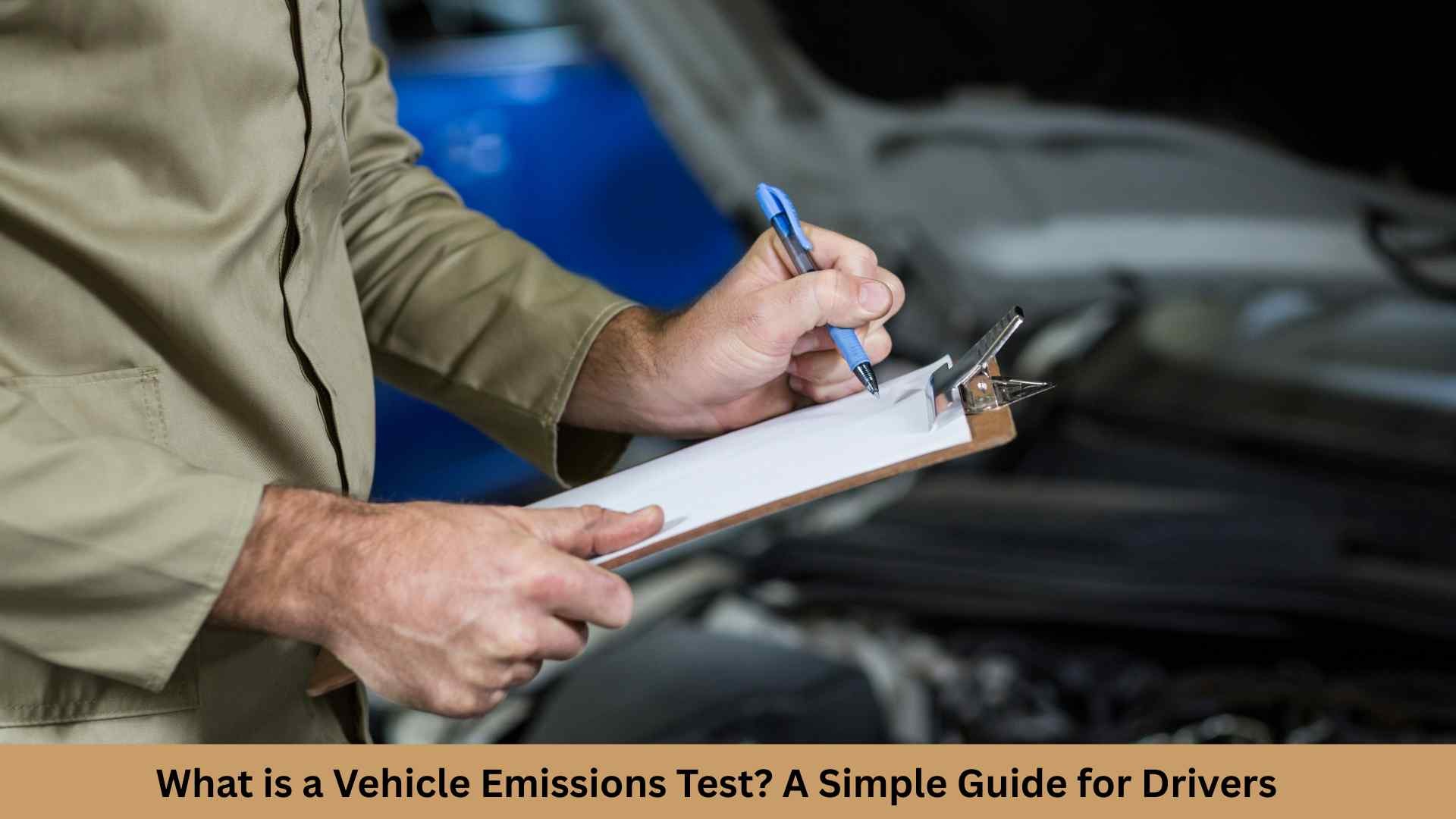
A Vehicle Emissions Test checks how much pollution your car sends into the air. It makes sure your engine runs clean and follows the rules. During the test, tools measure exhaust gases and scan your car’s computer for problems. This helps protect air quality and keeps your vehicle running better. It can also catch small engine issues before they turn into expensive repairs. We perform clear and accurate testing so drivers stay safe and confident on the road.
A Vehicle Emission Inspection helps reduce harmful gases that cause smog and breathing problems. Cleaner air is better for everyone. It also helps your engine work more smoothly.
Many drivers search for a Vehicle Inspection Near Me when registration time comes. Choosing a trusted shop makes a big difference. Skilled technicians use modern tools and follow proper steps. That means you get correct results and helpful advice.
Testing also saves money. Small problems like dirty filters or loose caps are easy to fix. If ignored, they can lead to bigger engine damage later.
A Car Emissions Test follows a simple process. First, we connect a scanner to your car’s onboard computer. This checks for warning codes and system readiness.
Next, we look at the exhaust system for leaks or damage. We also check the fuel cap because vapor leaks increase pollution. After that, we measure the gases coming from the tailpipe.
This Emissions Test Procedure shows whether your vehicle meets the allowed limits. If it passes, you are good to go. If it fails, we explain what needs fixing.
Regular Auto Emissions Testing helps your engine stay healthy. It finds problems that reduce fuel efficiency. Fixing these issues helps your car run more smoothly and use less fuel.
The Catalytic Converter is a key part of this process. It changes harmful gases into safer ones before they leave the exhaust. When it stops working, pollution increases and performance drops.
Your car also has an Engine Control Module. This small computer controls fuel and air balance. If something’s wrong, your dashboard warning light activates. Testing reads these signals and helps us fix the issue quickly.
Several things can cause a failed test. Worn spark plugs lead to poor fuel burning. Dirty air filters block airflow and increase emissions.
A broken Catalytic Converter cannot clean the exhaust properly. Faulty sensors send wrong data to the engine computer. Even a loose fuel cap can cause failure.
Getting Expert Auto Repair Services before testing helps prevent surprises. A quick inspection can catch these problems early.
Testing depends on your location and vehicle age. Newer cars need fewer tests. Older vehicles usually need yearly checks.
Regular maintenance keeps emissions low. Oil changes, tire rotations, and filter replacements help the engine run cleaner. We are a full-service auto repair and vehicle customization center, so we handle everything from basic maintenance to upgrades. Helping cars run smoothly is what we live for. You’ll feel the difference behind the wheel.
Preparing your car improves your chances of passing.
These steps help your car’s systems get ready for the Emissions Test Procedure and produce accurate results.
A vehicle emissions test keeps the air cleaner and your engine running better. It helps find small problems early and improves fuel efficiency. Regular testing also keeps your registration valid.
We provide accurate inspections, maintenance, and upgrades in one place. Our team cares about every vehicle we service. If your test is coming soon, visit us for a professional check and drive away with confidence!
Technicians connect a scanner to your car’s computer and check for fault codes. They inspect the exhaust system and measure gases from the tailpipe. The results are compared with legal limits to decide if your vehicle passes or needs repairs.
Most emissions tests take about fifteen to thirty minutes. Time depends on your vehicle type and readiness status. If problems are found, extra inspection or repairs may be needed before a final passing result is given.
Common causes include a faulty oxygen sensor, a dirty air filter, worn spark plugs, or a damaged catalytic converter. A loose fuel cap can also trigger failure. Any active check engine light usually means the vehicle will not pass testing.
Testing frequency depends on local laws and vehicle age. Newer cars may need testing every two years. Older vehicles often require annual inspections. Checking your state rules helps you stay compliant and avoid registration delays.
You can usually drive after a failed test, but registration renewal may be blocked. It is best to repair the problem quickly to prevent engine damage and pollution. Retesting after repairs confirms your vehicle now meets the required emission standards.
A smog test checks exhaust gases, onboard diagnostic systems, fuel cap sealing, and emission control parts. These checks confirm the engine burns fuel efficiently and releases fewer harmful pollutants into the air.
Yes, an active check engine light normally causes an automatic failure. It means the car’s computer has stored a fault related to emissions. Repairs must be completed, and readiness monitors reset before the vehicle can pass.
The cost depends on location, vehicle type, and testing method. Basic tests are usually affordable. Extra diagnostics or repairs can increase the total price. Maintaining your car regularly helps avoid repeat tests and unexpected expenses.