- Bays Available Today
- Bays Available Today
- Bays Available Today
- Bays Available Today
- Bays Available Today
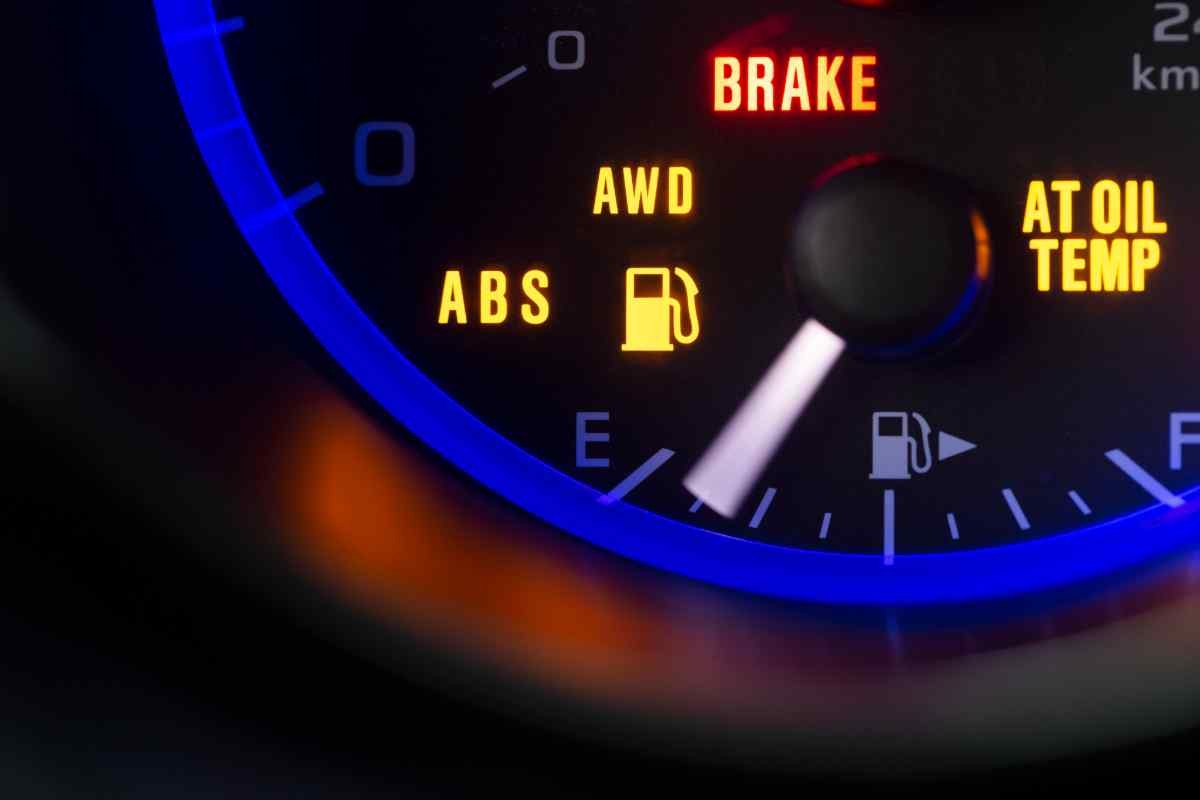
If your check engine light turns on, first check your gas cap and then book a scan at a trusted auto repair shop in Grand Rapids. A steady light usually means a small problem, but a flashing light means stop driving right away because it can damage your engine. The light comes on when your car’s computer finds a problem in the engine, fuel, or emissions system. Some issues are simple and cheap to fix, while others can get expensive if you wait too long. Getting it checked early also helps make sure other safety parts like brake pads and brake rotors are working properly.
Your car has a system called OBD-II.
It uses sensors to watch:
If something is not normal, the computer saves a code like P0300 and turns the light on.
Important things to know:
A full check at an auto repair shop in Grand Rapids can also find safety issues like worn brake pads or damaged brake rotors.
i) What a Steady Check Engine Light Means
ii) What a Flashing Check Engine Light Means
i) Loose or Faulty Gas Cap
ii) Faulty Oxygen Sensor
iii) Bad Spark Plugs or Ignition Coils
iv) Mass Air Flow (MAF) Sensor Problems
v) EVAP System Leak
vi) Catalytic Converter Problems
vii) Vacuum Leak
viii) Thermostat or Temperature Sensor Failure
ix) Battery or Alternator Problems
Ignoring engine problems can also hide other needed services like brake pad replacement or brake rotor replacement, which are important for safe driving.
Ignoring the light can cause:
Small problems become big when you wait too long.
Yes, you can reset it with a scanner. Disconnecting the battery can also clear it, but it is not recommended.
Important:
Some lights turn off after normal driving if the issue is gone.
Step 1 — Scan Codes
The technician reads stored and pending codes.
Step 2 — Check Live Data
They look at fuel trims, sensors, and misfire counts.
Step 3 — Real Testing
They do smoke tests, ignition tests, and sensor checks. This avoids guessing and wasting money.
Step 4 — Clear Repair Plan
You get the real cause and the right fix. They can also check brake pads, brake rotors, and offer expert brake repair services if needed.
Stop driving if:
If you are in Grand Rapids, Ada, or Rockford, MI, and your check engine light is on, a professional scan can find the problem before it gets expensive. At 616 Auto Repair, we find the exact issue fast and also check brake pads and brake rotors to keep your car safe.
Yes, if the light is steady and the car feels normal, you can drive a short distance. But you should get a scan soon. Waiting too long can lower fuel economy and turn a small problem into a costly repair.
You should not ignore it for long. Some problems seem small but get worse over time. Waiting can damage the catalytic converter, reduce engine power, and increase repair costs. Get the car checked within a few days.
Yes, it can turn off after several normal drive cycles if the problem is gone. But if the issue is still there, the light will return. A proper diagnostic scan is the only way to confirm the repair.
No, many fixes are simple and low cost, like replacing a gas cap or a sensor. Expensive repairs usually happen when the warning is ignored, causing bigger damage to the engine or catalytic converter.
A flashing light means a serious engine misfire is happening right now. Unburned fuel can damage the catalytic converter quickly. You should stop driving immediately and get the vehicle inspected to avoid very expensive repairs.
Yes, a loose or broken gas cap can cause a fuel vapor leak. This triggers the check engine light even if the car runs fine. Tightening or replacing the cap often solves the problem quickly.
Common codes include P0300 to P0306 for engine misfires, P0171 and P0174 for lean fuel mixture, P0420 for catalytic converter efficiency, and EVAP leak codes like P0440 to P0457.
Yes, because some problems do not affect driving right away. They can still reduce fuel efficiency and increase emissions. A diagnostic test finds the issue early and helps you avoid more expensive repairs later.