- Bays Available Today
- Bays Available Today
- Bays Available Today
- Bays Available Today
- Bays Available Today
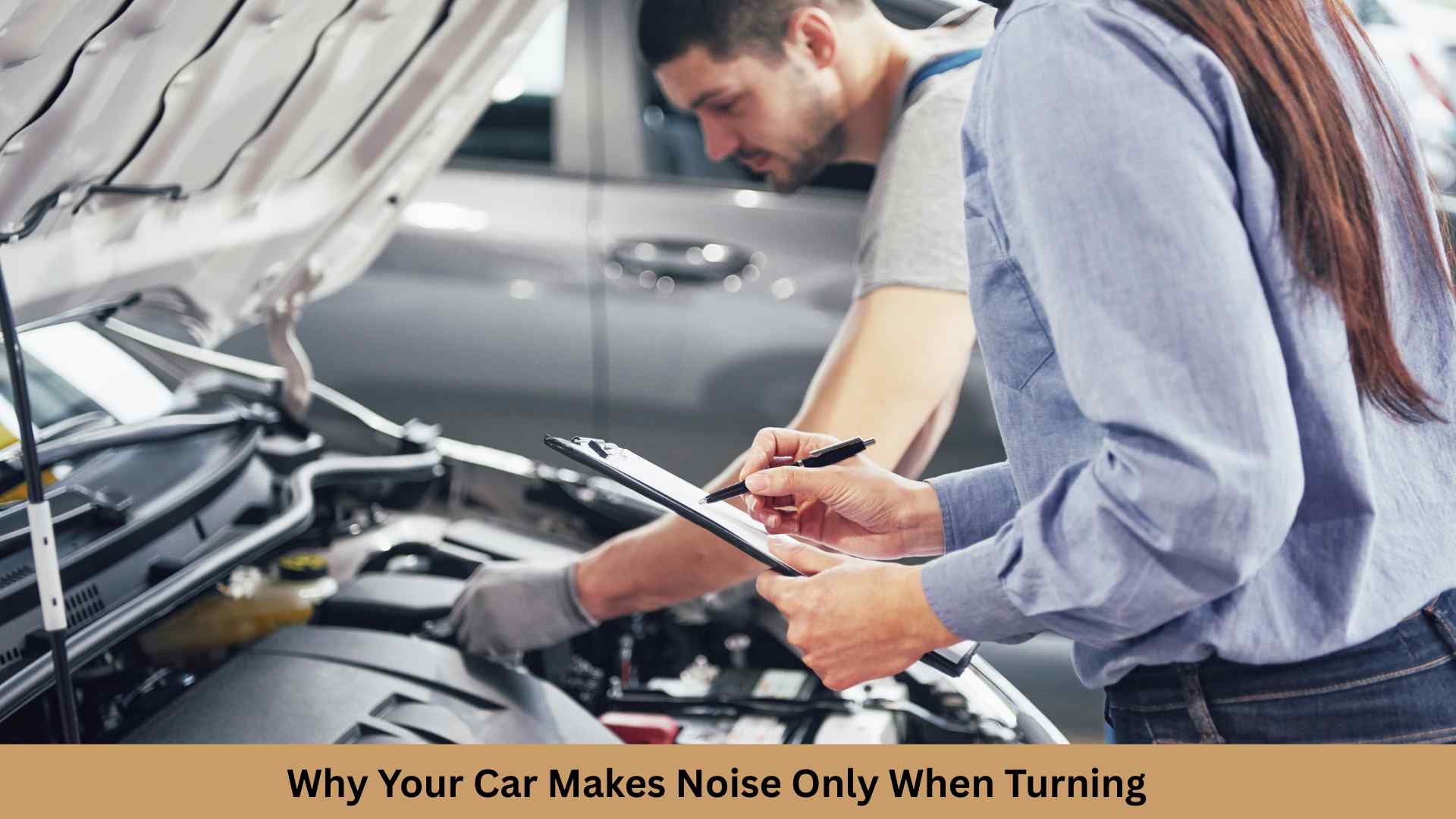
A quiet car ride can suddenly feel stressful when strange sounds appear during turns. Many drivers ignore these noises at first. However, turning sounds often point to parts wearing out or running low on fluid. Understanding the cause helps prevent bigger repairs later. In this guide, we explain what those noises mean and what you should do next.
When your car makes sounds only during turns, it is giving you Early Warning Signs of Car Problems. These noises rarely fix themselves. Instead, they often get louder and more expensive to repair.
We meet many drivers who search for the Best Auto Repair Service Near Me after the sound becomes constant. Acting early saves money and keeps your vehicle safe on the road.
Turning noises matter because they affect:
If the steering system fails, you may lose control during a turn. That is why quick action always matters.
Clicking sounds usually happen during slow, tight turns like parking. This often points to worn drivetrain joints.
Common Bad CV Joint Symptoms include:
These joints help transfer power smoothly to the wheels. When they wear out, the clicking becomes louder over time. Ignoring it can lead to complete failure, leaving your car unable to move.
We use Expert Car Diagnostic Services to confirm the exact source of the sound. Guessing can lead to replacing the wrong part.
A high-pitched whine usually points to the steering fluid system. Many drivers notice Noise When Turning the Steering Wheel at low speeds first.
The most common cause is Power Steering Pump Whining. This happens when:
You may also feel the wheel becoming harder to turn. That is a sign you should stop driving long distances until it gets checked.
We always recommend checking fluid levels early. A simple fluid service can prevent major pump damage.
Yes, suspension parts often create deep clunking noises during turns. These parts control how your car leans and balances.
A proper Steering and Suspension Inspection helps identify worn components such as:
These parts wear out slowly. Over time, they develop extra movement that causes knocking sounds. You may also notice uneven tire wear or a loose steering feel.
Catching these Early Warning Signs of Car Problems helps avoid damage to other systems.
Modern vehicles have complex steering and electronic systems. A sound that seems simple may have multiple causes.
Our Expert Car Diagnostic Services use advanced tools to:
This approach prevents unnecessary part replacement. It also ensures your vehicle remains safe and reliable.
Many drivers visit us after searching for the Best Auto Repair Service Near Me because they want accurate answers the first time.
Before scheduling a repair, you can perform a few basic checks:
If the sound continues, it is time for a professional inspection.
Routine service helps prevent major steering issues. We always recommend:
These steps reduce the chance of sudden failure. They also improve driving comfort and control.
Ignoring small sounds can lead to bigger repairs. Many Bad CV Joint Symptoms start as faint clicking before becoming loud and constant.
At 616 Auto Repair, we focus on complete vehicle care. We keep your car running safely, efficiently, and looking its best. From engine diagnostics and oil changes to brake service and tire installation, we handle everything in one place.
Our ASE-certified technicians work on foreign and domestic vehicles daily. We use advanced tools to find the real cause of Noise When Turning the Steering Wheel and fix it correctly the first time.
Drivers trust us because we combine honest advice with modern technology. Whether you need maintenance, repairs, or upgrades, we deliver dependable results and clear communication.
If your car makes noise while turning, follow these steps:
These actions help prevent expensive damage and keep you safe on the road.
Turning noises are never normal, but they are fixable when caught early. We explained the most common causes and what they mean for your safety. Taking quick action protects your steering system and prevents bigger repairs.
If your vehicle is making unusual sounds, our team is ready to help. Visit 616 Auto Repair today for a full inspection and reliable solutions you can trust!
Clicking during turns often points to worn drivetrain joints. The sound usually appears during slow, sharp turns. If ignored, the joint can fail and affect vehicle movement. A professional inspection helps confirm the exact cause.
Squeaking noises often come from dry suspension parts or low steering fluid. Worn bushings and loose belts can also create squeaks. Regular lubrication and maintenance usually solve the issue before it becomes serious.
Grinding sounds may indicate worn wheel bearings or damaged brake components. This noise should never be ignored because it can affect steering control and safety. Immediate inspection is strongly recommended.
Clunking usually comes from loose suspension parts such as ball joints or control arm bushings. These components help stabilize the vehicle during turns. When they wear out, they create knocking sounds and uneven handling.
Noise from the steering wheel often relates to low fluid, worn steering components, or internal column issues. The sound may be whining, squeaking, or clicking, depending on the cause. A full system inspection identifies the problem.
Yes, low or contaminated power steering fluid can create whining or groaning sounds. The pump struggles to move fluid smoothly, which produces noise. Refilling or flushing the system often resolves the issue quickly.