- Bays Available Today
- Bays Available Today
- Bays Available Today
- Bays Available Today
- Bays Available Today
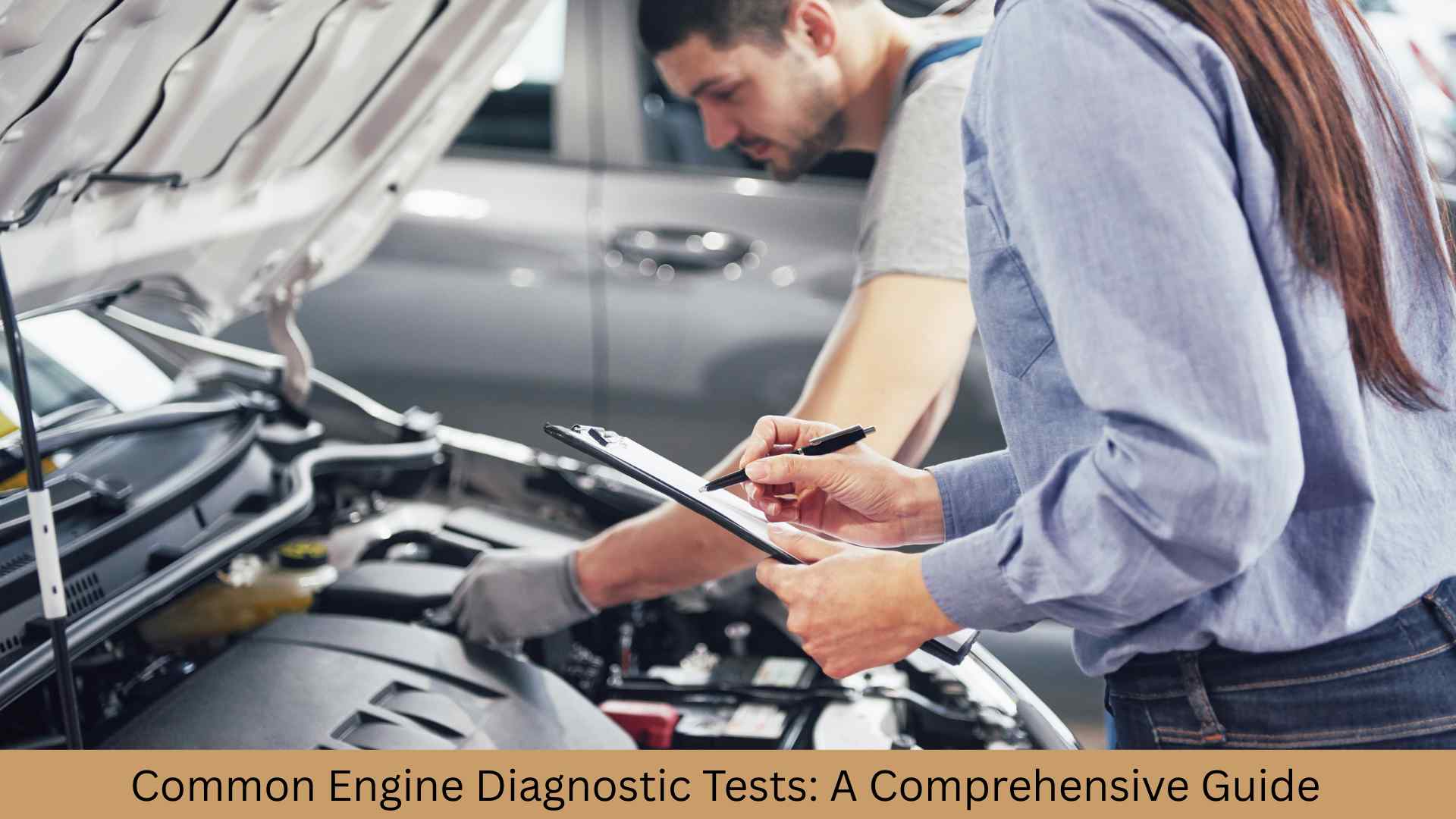
Ever see that little check engine light blink on your dashboard and panic a bit? It’s scary, right? Sometimes it’s nothing, like a loose gas cap. Other times, it’s a big deal. Either way, you need to know what’s going on. Engine diagnostic tests help figure out what’s wrong fast. They tell you what your car needs before it breaks down. Learning about these tests now can save you time, money, and a ton of stress later. When it comes to getting it done right, 616 Auto Repair has your back.
Your car is like a big puzzle. Every piece needs to work together. When one piece goes wrong, the whole thing can act up. That’s where engine diagnostics come in.
They can find small problems before they turn into huge headaches. Maybe your fuel system is clogged. Maybe a sensor is acting up. If you catch it early, you avoid getting stranded on the side of the road or paying a huge repair bill.
Plus, why engine diagnostics are important is simple: it saves you money, keeps you safe, and make your car run smoothly. Think of it like going to the doctor for a checkup before you get sick. Same idea, just for your car.
Engine diagnostics cover a bunch of tests. Here are the ones you’ll see most often:
1. OBD-II Scan
The OBD-II scan is the go-to test for most cars made after 1996. It reads codes stored in your car’s computer when something goes wrong. The scanner tells the tech exactly what’s up.
It’s like giving your car a super-smart doctor who never forgets anything.
2. Fuel System Test
The fuel system is the heart of your car. A fuel system test checks if gas is getting to the engine the way it should. Bad fuel flow makes your car stall or run rough.
Technicians test:
Catch problems here early, and you’ll save on bigger repairs down the road.
3. Battery and Charging Test
You need a good battery and charging system to keep everything working. If your battery is weak, your car won’t start, and your lights may flicker. Diagnostics make sure your battery and alternator are doing their job.
4. Emission Test
Emission tests check how much pollution your car makes. Broken sensors or a bad catalytic converter can trigger the check engine light. Fixing these keeps the environment clean and your car legal for inspections.
5. Compression Test
The compression test checks if your engine’s cylinders are healthy. Low compression means worn pistons, valves, or gaskets. This test finds serious engine problems before they blow up your engine.
6. Check Engine Light Diagnostic
Ah, the dreaded check engine light. It can freak anyone out. A check engine light diagnostic helps you know exactly why that light turned on. Using a scanner, techs read the codes and know what to fix.
If you’re searching for a check engine light diagnostic near me, shops like 616 Auto Repair make it easy. They find the problem fast and fix it right.
Getting your car checked with an engine diagnostic test is smart. Here’s why:
Basically, engine diagnostics are like a crystal ball for your car. You see trouble before it hits.
A professional car engine diagnostics service is pretty simple. Here’s the usual flow:
It’s fast, clear, and accurate. With ASE-certified auto repair experts, you know the job gets done right.
Even with diagnostics, you can help your engine stay healthy:
Do these things, and your engine will thank you. Your car will last longer, run better, and cost less to maintain.
Engine diagnostics aren’t just for emergencies. They help you catch problems early, keep your car running smoothly, and save money. Whether your check engine light is on or you just want a tune-up, professional testing is the way to go.
At 616 Auto Repair, we’re a full-service shop and vehicle customization center. Our ASE-certified experts handle everything from oil changes to advanced engine diagnostics. We work on all makes and models, including trucks, and make sure every repair meets top quality standards.
Don’t wait for trouble to hit. Book a car engine diagnostics service or a check engine light diagnostic near me today. Keep your engine happy, your ride safe, and your wallet happy too!
It checks your engine, sensors, fuel system, emissions, and other parts. Basically, it looks for anything that could mess with your car’s performance.
Yes. A test can catch small issues before they blow up into big problems. That saves you from breakdowns and huge repair bills.
Most tests take about 30–60 minutes. Some issues need extra checks, which may take a bit longer.
Definitely. It’s cheap compared to what you’d pay if your engine fails. Plus, it keeps your car running better and saves money on gas.
Yes. Some problems don’t show a light right away. Routine diagnostics catch hidden issues before they get serious.