- Bays Available Today
- Bays Available Today
- Bays Available Today
- Bays Available Today
- Bays Available Today
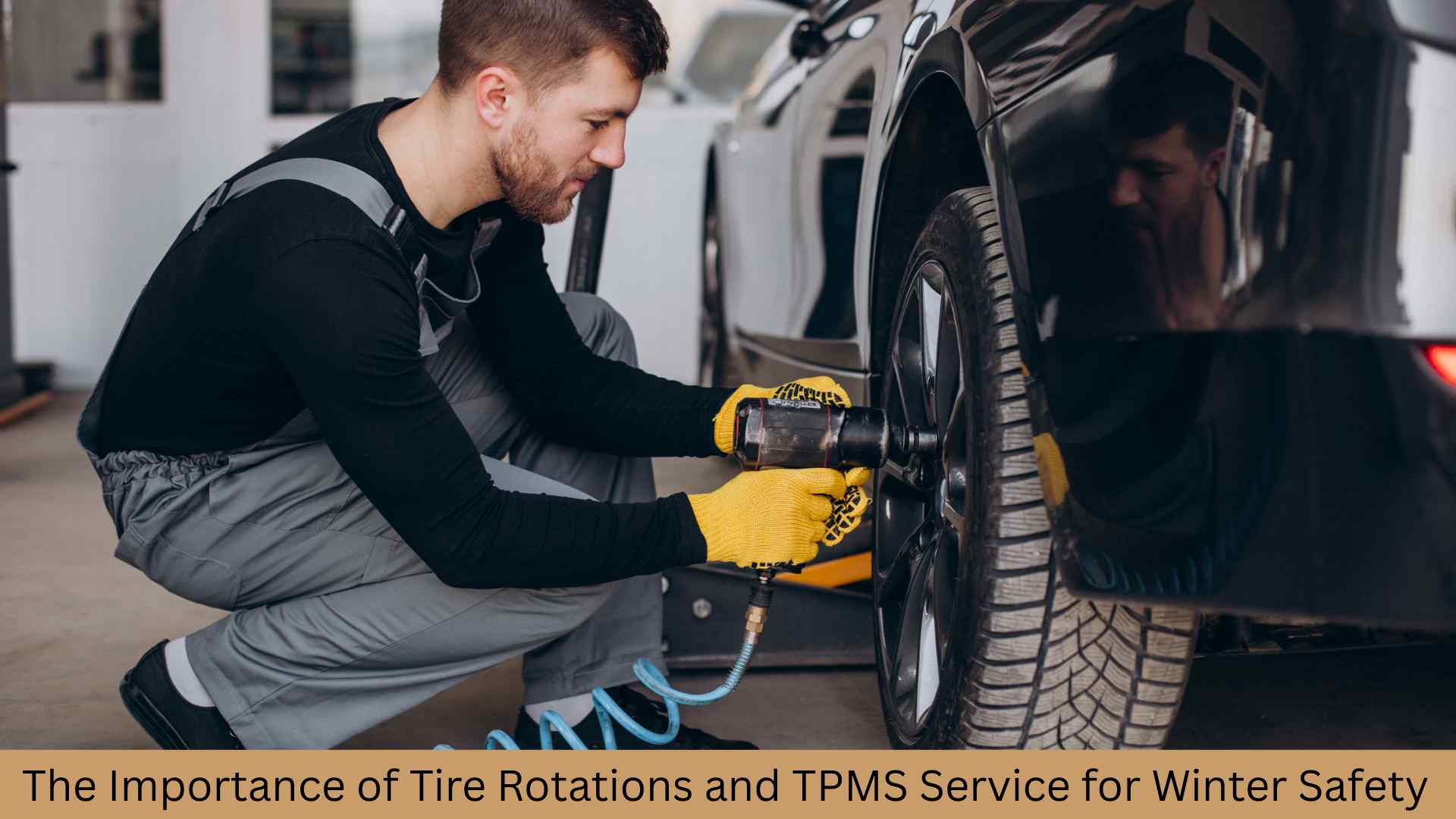
Winter roads can be scary for drivers of all ages. Snow falls fast. Ice hides on streets. Cars can slide without warning signs. Tires help cars stay safe and steady. When tires wear out or lose air, danger grows fast. Many people forget tires before winter starts. That mistake causes slips, stress, and wrecks. Learning tire care helps keep rides calm, smooth, and safer throughout the entire season.
Winter is rough on cars and trucks everywhere. Cold air makes tire rubber hard and stiff. Snow hides road lines and bumps. Ice makes stopping slow and scary. All of this puts stress on tires every mile you drive.
Winter Driving Tire Safety is about control and confidence. Tires help cars stop, turn, and stay straight. Bad tires cause sliding, spinning, and long stops. That can scare drivers fast.
Many drivers think tires are fine if they look okay outside. That is not always true. Tires lose air in cold weather. They also wear unevenly over time. That is why winter tire care matters so much for daily driving safety.
i) What is tire rotation?
Tire rotation means moving tires to new spots on the vehicle. Front tires move to the back. Back tires move forward. Sometimes tires switch sides, too, for balance.
This helps tires wear evenly across the car. Front tires work harder than rear ones. They steer, stop, and carry more weight. That causes faster wear.
ii) Why rotation helps in winter
The Importance of Tire Rotations Service becomes clear when roads turn slick and snowy. Even tires grip roads better and feel more stable. Uneven tires fight each other.
Here is how tire rotation helps drivers in winter:
When winter hits, balanced tires help keep control during every turn and stop.
Cold air shrinks when temperatures fall. When air shrinks, tire pressure drops fast. This happens often during winter nights and mornings.
Low Tire Pressure in Winter is very common for drivers everywhere. A tire can lose air overnight during cold snaps. That loss is hard to see by eye.
Low pressure causes many problems:
Many drivers do not notice low pressure right away. Warning systems help catch this early.
i) What is TPMS?
TPMS means Tire Pressure Monitoring System. It checks tire pressure while you drive. When pressure drops too low, a dashboard light turns on.
The Importance of TPMS in Cold Weather cannot be ignored. Winter causes pressure changes often. TPMS warns drivers before problems grow worse.
ii) Why TPMS service matters
TPMS Service for Winter keeps sensors working the right way. Sensors can fail or lose accuracy over time. A broken sensor gives no warning.
A working system helps drivers act fast. You can add air before long drives. That protects tires, improves grip, and keeps rides safer on winter roads.
i) Uneven tire wear
Uneven wear makes tires behave differently. Some grip the road well. Others slip on snow and ice. That mismatch causes handling issues.
Tire rotation helps stop uneven wear early, before winter damage gets worse.
ii) Slow air leaks
Small leaks get worse during cold weather. Rubber stiffens in winter. Tiny cracks grow bigger. Air escapes faster than normal.
A trusted Tire Repair Service in Grand Rapids, MI can find leaks early. Fixing them prevents flats and roadside stress during freezing days.
Winter tire care can be tricky at home. Shops have tools that drivers do not. They also know what winter damage looks like.
Searching for an Auto Repair Shop Near Me becomes common once snow starts falling. A skilled shop checks pressure, tread, balance, and sensors together.
This helps drivers feel prepared for winter roads. It also lowers the chance of breakdowns, delays, and unsafe driving moments.
Winter Tire Maintenance does not need to be hard or stressful. Small habits make a big difference over time.
Here are easy tips anyone can follow:
These steps help cars grip better and feel safer on snow and ice.
Winter driving can feel stressful for many people. Snow and ice test every driver daily. Tires play the biggest role in staying safe. Tire rotation and pressure checks work together as a team. They help tires grip roads and last longer.
At the end of the day, preparation makes the biggest difference. We at 616 Auto Repair are a full-service auto repair shop and vehicle customization center. We offer everything from oil changes to tire rotations. All our services are handled by ASE-certified technicians. We work on all makes and models, including trucks. Our team focuses on quality, care, and trust on every visit.
If winter roads worry you, we are ready to help. A quick visit today can make winter driving feel calm and safe!
Tire rotation helps tires wear evenly. Even wear improves grip and balance. This helps cars stop and turn safely on winter roads.
Cold air lowers tire pressure quickly. When pressure drops too low, the system turns on the warning light.
Most tires need rotation every 5,000 to 7,500 miles. Rotating before winter helps prepare for slippery driving conditions.
Yes. Wrong pressure reduces road contact. This makes braking, turning, and control harder on snow and ice.
TPMS service keeps pressure readings accurate. It adds safety, but it should work with regular manual pressure checks.