- Bays Available Today
- Bays Available Today
- Bays Available Today
- Bays Available Today
- Bays Available Today
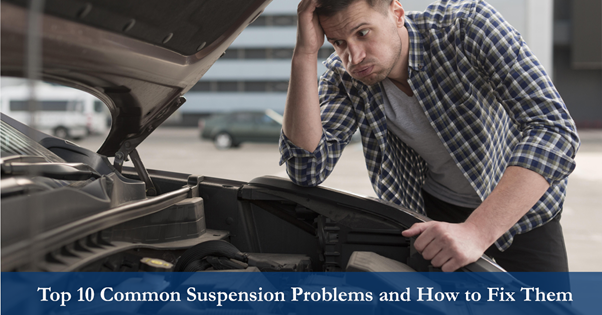
A car’s suspension system isn’t just about comfort. It helps maintain control, improves handling, and keeps your tires in proper contact with the road. Ignoring car suspension issues can lead to uneven tire wear, reduced braking efficiency, and even serious safety risks. That’s why understanding common suspension problems and knowing how to address them matters for every driver.
At 616 Auto Repair, a family-owned shop in Grand Rapids, Michigan, we take pride in helping drivers stay safe and confident behind the wheel. Our ASE-certified technicians provide everything from routine suspension maintenance to complex repairs. Whether it’s a quick fix or a performance upgrade, we treat every vehicle with the same care we would our own.
Here’s a closer look at the most common suspension problem areas and how to recognize them:
1. Worn Shock Absorbers or Struts
Shocks and struts control how your car handles bumps and curves. If they’re worn, you might notice:
2. Broken or Weak Springs
Springs support the car’s weight. Broken or sagging springs can cause:
3. Damaged Ball Joints
Ball joints connect your wheels to the suspension. Signs of wear include:
4. Worn Bushings
Bushings are rubber components that reduce friction between metal parts. Bad bushings can lead to:
5. Misaligned Wheels
Misalignment affects steering and tire wear. Watch for:
Sway bars stabilize the car during turns. Damaged sway bars can cause:
7. Broken or Leaking Steering Components
Problems with steering parts can mimic suspension issues, including:
8. Tire Wear Issues
Uneven tire wear can signal suspension problems. Common causes include:
9. Loose or Broken Steering Linkages
Steering linkages connect the steering wheel to the wheels. Symptoms include:
10. Worn Wheel Bearings
While technically part of the wheel system, worn bearings affect suspension and handling. Signs include:
We recommend regular suspension maintenance to prevent car suspension issues from escalating. Some tips include:
At 616 Auto Repair, we offer full suspension inspections, repairs, and upgrades. From tightening loose parts to replacing worn components, our team ensures your car handles smoothly and safely.
At 616 Auto Repair, we’re passionate about keeping Grand Rapids drivers safe and confident on the road. Our ASE-certified technicians handle everything from oil changes to suspension repairs and vehicle enhancements. Whether you need routine suspension maintenance or a full repair, we approach every job with precision and care.
Don’t wait until a small suspension problem turns into a major safety issue. Schedule your suspension check with 616 Auto Repair today and drive with confidence. Your car deserves top care, and so do you!
Worn shocks and struts are the most common suspension problem. They wear out over time and cause bouncing, poor handling, and uneven tire wear.
Suspension issues are solved by inspection, identifying worn or broken parts, and performing repairs or replacements. Regular maintenance can prevent many problems.
The most common noises are clunking, squeaking, and grinding. Each often signals worn shocks, bushings, or ball joints.
A professional car repair shop can fix suspension problems. This may include replacing shocks, struts, bushings, or sway bars.
Costs vary depending on the issue. Minor repairs may cost a few hundred dollars, while full strut replacements or major repairs can run higher.
Look for uneven tire wear, bouncing, pulling, unusual noises, and poor handling. Professional inspections confirm the exact problem.