- Bays Available Today
- Bays Available Today
- Bays Available Today
- Bays Available Today
- Bays Available Today
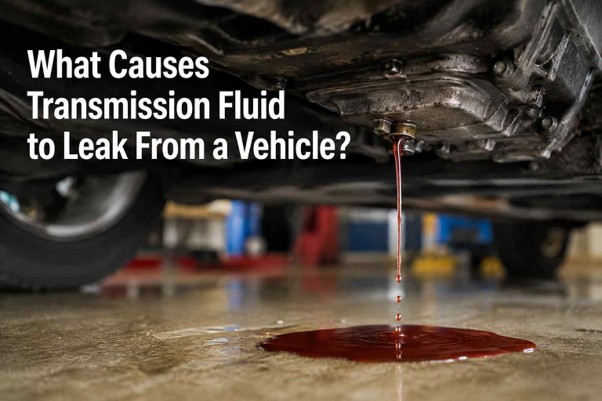
A red or brown puddle beneath your vehicle may indicate a potential transmission issue that needs immediate attention. This fluid leak indicates a potential issue with your transmission, and postponing repairs may lead to more expensive fixes in the future. Understanding the causes of transmission fluid leaks allows for early detection and intervention. At 616 Auto Repair, we quickly identify leaks and provide clear explanations about the underlying issues affecting your car.
Transmission fluid serves several important functions beyond just lubricating components. It helps cool internal parts, ensures smooth gear shifts, and maintains consistent pressure throughout the system. When fluid levels drop due to a leak, shifting can become rough, and internal parts can wear out more quickly than they should.
Common Causes Behind a Leak
Several parts can wear out or fail, letting fluid escape. Here’s a quick rundown of the usual suspects.
Worn Gaskets and Seals
Gaskets and seals endure significant wear from heat and age. Rubber can harden, shrink, and eventually fail to provide the necessary seal.
Pan Gasket Wear
The pan gasket sits between the transmission pan and the housing. Once it dries out or cracks, fluid drips steadily, especially after the engine warms up and pressure builds inside the system.
Seal Deterioration
Seals around the axles and input shaft wear down over thousands of miles. Once they crack, fluid escapes slowly at first, then speeds up as the damage grows worse.
Damaged or Cracked Transmission Pan
The transmission pan sits low on the vehicle, which makes it an easy target for road hazards. Speed bumps, potholes, and loose debris can all dent or crack the pan over time. Once that happens, fluid drips out steadily, often leaving a visible trail wherever the car parks.
Loose or Faulty Drain Plug
A drain plug that isn’t tightened properly after a fluid change causes slow, steady leaks. Over time, vibration from driving can also loosen a plug that was snug to begin with. This is one of the easier problems to catch during a routine transmission fluid inspection.
Failing Torque Converter
The torque converter links the engine to the transmission and controls substantial pressure. When seals inside it wear out, fluid leaks internally or externally, depending on where the failure happens. This issue often needs a trained eye to diagnose correctly.
Read More :- What Is The Difference Between An Engine Replacement And An Engine Rebuild
If you’re unsure whether the liquid dripping is transmission fluid, follow these simple checks to identify a transmission fluid leak.
Transmission Fluid vs. Engine Oil Leaks
Mixing these two up happens more often than you’d think. Oil tends to pool near the front of the car and feels thicker between your fingers. Transmission fluid shows up further back, closer to the middle, and has a noticeably different smell once it starts breaking down from heat.
Can You Drive With a Transmission Fluid Leak?
Yes, you can technically drive with a transmission fluid leak for a short distance, but it is risky. Low fluid levels can lead to overheating, rough shifting, and eventually serious internal damage. The safer move is getting your car checked before driving it any real distance.
What Happens If You Ignore the Leak
Skipping a leak rarely ends well. Fluid levels keep dropping, and gears start slipping or shifting harshly. Left alone long enough, low fluid causes overheating that damages seals, clutches, and internal components, turning a simple leak fix into a full transmission repair.
Getting a Professional Diagnosis
Locating the source of a leak necessitates the expertise of skilled professionals, along with the appropriate equipment.
Visual Inspection Process
A technician checks the pan, seals, lines, and cooler connections for visible signs of fluid. This step alone often reveals the source without any guesswork involved.
Pressure and Dye Testing
For leaks that are hard to spot, shops use dye tests and pressure checks to trace fluid movement. This method catches slow leaks that a simple visual check might miss entirely.
An ASE-certified transmission technician brings training and experience that makes a real difference in diagnosis accuracy. Certification indicates that a technician has successfully passed stringent testing on transmission systems, rather than merely having general auto repair knowledge.
Our Transmission Fluid Leak Repair Process
Our process for repairing transmission fluid leaks begins with a thorough inspection to precisely identify the source of the leak. Once we locate the issue, we replace any worn gaskets, seals, or pans as necessary. After completing the repairs, we ensure that everything holds up under normal driving conditions.
Keeping Your Transmission Healthy Long Term
Regular maintenance catches small issues before they become expensive ones. Scheduling an automatic transmission fluid change service on time keeps seals conditioned and fluid levels where they should be. Regularly replacing your transmission fluid greatly enhances the lifespan of your entire system.
Read More :- Signs Your Radiator Needs Repair Immediately
Choosing a dependable automatic transmission repair shop means fewer surprises and honest answers about what your car actually needs. Our friendly, skilled team never recommends work your vehicle doesn’t require, and we always explain findings in plain language.
If you see a puddle under your car, don’t wait for the problem to get worse. Bring your vehicle to 616 Auto Repair for a comprehensive transmission inspection service. Our experienced team will pinpoint the issue before it becomes more expensive to fix.
Worn gaskets, cracked seals, a loose drain plug, or a damaged pan are the usual culprits. A failing torque converter can also cause internal leaks that show up as low fluid levels.
Driving short distances is possible, but it’s risky. Low fluid causes overheating and rough shifting, which can lead to serious internal damage. Getting it checked promptly avoids bigger repair costs later.
Transmission fluid typically appears red or reddish-brown, is thinner than oil, and has a faintly sweet smell. Oil tends to pool near the front of the car and feels noticeably thicker.
Cost depends on the source, ranging from an affordable gasket swap to a pricier pan or seal replacement. Getting an early diagnosis usually keeps the repair bill lower overall.
Scheduling regular fluid changes, checking seals during routine service, and avoiding rough road hazards all help. Catching small leaks early through inspection prevents bigger, costlier problems down the road.