- Bays Available Today
- Bays Available Today
- Bays Available Today
- Bays Available Today
- Bays Available Today
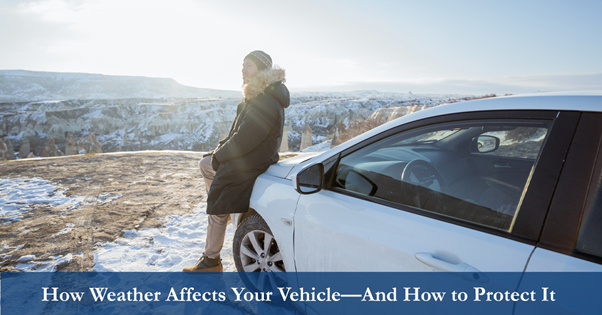
Weather changes can have a big impact on how your car runs. From freezing winter mornings to scorching summer afternoons, every season brings its own set of challenges. At 616 Auto Repair, we’ve seen firsthand how weather affects vehicle performance, and we know the difference the right care can make.
If you’ve ever wondered why your car seems sluggish in the winter or why your brakes feel off after a heavy rain, you’re not alone. The good news is, there are simple ways to protect your car and keep it running smoothly all year long. In this blog, we’ll break down how different weather conditions affect your car and give you practical car protection tips for hot weather, cold snaps, and everything in between.
Weather affects vehicle performance in more ways than most people realize. Cold temperatures can thicken fluids, hot weather can overheat engines, and rain or ice can impact traction and visibility. Without proper care, your car may suffer damage that leads to expensive repairs.
We understand that our customers want reliable cars that run safely, no matter the weather. By keeping up with car maintenance tips and vehicle weather protection practices, you can prevent many common issues before they become serious problems.
1. Cold Weather
Winter can be brutal on vehicles. Low temperatures can thicken your engine oil, making it harder for your car to start. Batteries lose efficiency in the cold, and tires can lose pressure. Even small things like frozen windshield wipers or cracked rubber hoses can impact your car’s performance.
Cold-weather tips:
2. Hot Weather
High temperatures can also take a toll. Heat can overwork your engine, fade paint, and crack tires over time. Interior damage, like cracked dashboards and faded upholstery, is also common during prolonged exposure to the sun.
Car protection tips for hot weather:
3. Rain and Storms
Heavy rain, snow, or hail can lead to slippery roads and reduced visibility. Water can seep into your vehicle’s electrical components or even cause rust if left unchecked. Storm surges in coastal areas can also damage engines and undercarriages.
Rain and storm tips:
Vehicle Weather Protection Tips
Protecting your car from the weather isn’t just about avoiding repairs; it’s about keeping your vehicle running safely and efficiently.
Our top tips include:
By following these tips, you’ll ensure your car is ready to face whatever Mother Nature throws its way.
Maintenance is key to weather-proofing your car. At 616 Auto Repair, we offer a wide range of services to keep your car in peak condition, from oil changes and tire rotations to more advanced vehicle maintenance services. Our ASE-certified technicians handle every job with care and attention to detail, ensuring your vehicle performs reliably and safely.
Some car maintenance tips for all-weather protection:
By taking preventive steps, you’ll minimize costly repairs and extend your car’s lifespan.
Weather can be unpredictable, but your car’s performance doesn’t have to suffer. By understanding how weather affects vehicle performance and following our car maintenance tips, you can protect your car year-round. From hot summers to icy winters, 616 Auto Repair is here to provide expert vehicle maintenance service and vehicle weather protection solutions.
Don’t wait until small problems become major repairs. Bring your car to our automobile repair shop in Grand Rapids, Michigan, and let our ASE-certified technicians help you keep your car safe, efficient, and dependable. Contact us today and give your vehicle the care it deserves!
Keep up with regular maintenance, park in protected areas, use covers or sunshades, and inspect tires and fluids regularly.
Check battery health, tire condition, fluid levels, wipers, and lights. Keep emergency kits and blankets for winter and hydration tools for summer.
Yes, weather affects vehicle performance, tire pressure, fluid viscosity, and even battery life. Proper care can prevent these issues.
Keep headlights and taillights clean and functional, use fog lights if necessary, and replace bulbs as soon as they dim.
Avoid low-lying areas prone to flooding, move your car to higher ground, and never drive through standing water.
Replace old wipers, use water-repellent treatments, and keep windshield washer fluid topped up.