- Bays Available Today
- Bays Available Today
- Bays Available Today
- Bays Available Today
- Bays Available Today
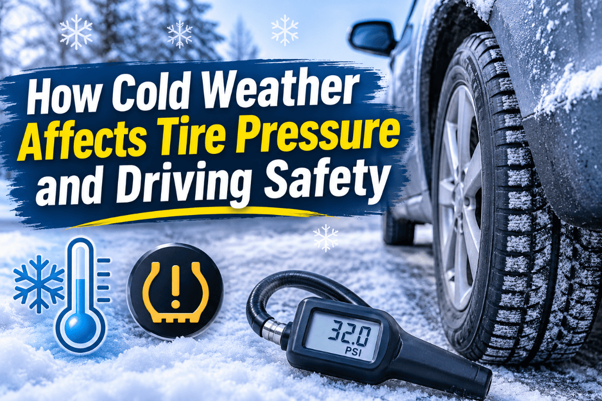
A sudden drop in temperature changes more than the feel of the air outside. It also affects the air inside your tires. As winter sets in, tire pressure drops, even when your tires have no leaks. This small change affects how your car handles turns, grips the road, and responds when you brake. Proper cold-weather tire pressure plays a key role in safe driving, especially during cold mornings and long winter trips.
At 616 Auto Repair, we believe good vehicle care starts with understanding the small things that keep your car safe. Tire pressure deserves special attention during winter because the right air level supports better road grip, steady handling, and even tire wear. A simple pressure check also helps you spot changes before they affect your drive.
1. How Does Cold Weather Affect Tire Pressure?
Air reacts to changes in temperature. When the air gets colder, it takes up less space and its pressure drops. The same rule applies to the air inside your tires. As outside temperatures fall, the air inside each tire cools and creates less pressure against the tire walls.
A common rule says tire pressure drops by about 1 PSI for every 10°F drop in temperature. For example, if your tires have 35 PSI during mild weather, a 30°F temperature drop can lower the reading by about 3 PSI.
This change does not mean your tire has a leak. It happens due to the natural link between air temperature and pressure. However, drivers still need to check their tires and add air when the readings fall below the vehicle manufacturer’s recommended level.
Understanding how cold weather affects tire pressure helps you take the right steps before winter drives. It also explains why a tire that looked fine in the fall needs another check during colder months.
Read More :- Cooling System Maintenance Checklist Before Summer Travel: Keep Your Car Ready for the Heat
2. Why Does Low Tire Pressure Affect Driving Safety?
Your tires form the only contact points between your car and the road. Their air pressure affects how much of the tire touches the road and how well the tread works. When pressure falls below the correct level, your tires lose some of their ability to support the vehicle as designed.
Here are some key ways low pressure affects your drive:
Reduced Road Grip
Low tire pressure changes the shape of the tire and how its tread meets the road. This affects how the tire grips the surface during turns and lane changes. On wet, icy, or snow-covered roads, good tire contact plays an important role in keeping your car steady.
Longer Braking Distance
Your tires need proper tread contact to help your vehicle stop. Low pressure affects tire handling and grip, which changes how your car responds during braking. On a slippery winter road, every bit of control matters.
Poor Steering Response
Correct tire pressure supports smooth steering and balanced handling. Underinflated tires flex more than they should, which affects how the car responds when you turn the wheel. You may notice slower steering response or a change in how the vehicle handles corners.
Extra Heat and Tire Wear
Underinflated tires flex more as they roll. This creates extra heat and puts added stress on the tire structure. It also causes uneven tread wear, which shortens tire life and affects overall driving comfort.
Proper tire pressure in winter supports better handling, braking, and tire life. A quick check before a trip gives you a better idea of your tire condition.
3. How Should You Check and Adjust Tire Pressure in Winter?
Checking tire pressure takes only a few minutes, yet it gives you useful information about your vehicle’s condition. For accurate readings, check your tires when they are cold. This means the car has been parked for at least three hours or driven less than one mile at a low speed.
Follow these steps:
Keep the valve caps in place after checking the tires. They help keep dirt and moisture away from the valve. Also, check the tire pressure again after a major temperature change.
4. What Tire Maintenance Supports Safe Winter Driving?
Correct pressure is only one part of winter tire care. Tread depth, tire age, sidewall condition, and proper wheel balance also affect how your vehicle handles cold roads.
Check Tire Tread Depth
Tread grooves help move water away from the tire and support grip on wet roads. As the tread wears down, its ability to handle rain and slush drops. Check the tread depth across each tire, not just in the center.
Look for Cracks and Damage
Cold weather puts extra stress on rubber. Check the sidewalls for cracks, cuts, bulges, and signs of damage. Also, look for nails or other sharp objects in the tread. A professional tire inspection service gives you a closer look at tire wear, damage, and overall condition.
Maintain Proper Wheel Balance
Unbalanced wheels cause vibration, uneven tire wear, and extra stress on suspension parts. Proper tire installation and balancing help each wheel rotate smoothly and support a steady ride. If your steering wheel shakes at certain speeds, schedule a wheel and tire check.
Choose Tires for Your Driving Needs
Your local weather and driving habits help decide which tires suit your vehicle. All-season tires work for many drivers in areas with mild winters. Winter tires use rubber compounds and tread patterns designed for cold temperatures, snow, and ice.
Good winter tire safety starts with choosing the right tires and keeping them in good shape. A professional inspection helps you understand their condition before winter travel.
5. What Other Vehicle Checks Matter During Winter?
Tires play a big part in road safety, but your vehicle needs care in other areas too. Cold temperatures affect the battery, engine oil, coolant, and other parts.
Start by checking your battery. Cold weather makes it harder for a weak battery to start the engine. Next, check your coolant level and make sure the fluid has the right mix for freezing temperatures.
Engine oil also needs attention. The right oil grade helps the engine start and run smoothly in cold conditions. If your dashboard shows a warning light or your car struggles to start, professional local engine diagnostics services help identify the cause.
At 616 Auto Repair, we look at vehicle performance as a whole. Our engine performance repair services address engine concerns, while routine checks help keep your vehicle ready for seasonal driving.
Winter driving calls for more than careful steering. Your tires need the right pressure, healthy tread, and proper balance to handle cold roads. Regular checks help you spot small changes and keep your vehicle ready for daily trips.
At 616 Auto Repair, we take tire care seriously. From pressure checks and tire inspections to tire installation and balancing, we focus on the details that support a smooth and safe ride.
Give your tires the attention they deserve before the next cold snap. Schedule a winter tire inspection with 616 Auto Repair today, and head into the colder months with greater confidence on the road.
Cold air takes up less space than warm air. As temperatures fall, the air inside your tires contracts and pressure drops. This natural change happens even when your tires have no leaks.
Tire pressure drops by about 1 PSI for every 10°F decrease in temperature. For example, a 30°F drop can lower tire pressure by around 3 PSI, depending on the starting conditions.
The correct pressure comes from your vehicle’s manufacturer, not the season. Check the sticker inside the driver’s door or your owner’s manual. Measure pressure when tires are cold and follow the listed PSI.
Yes. Low tire pressure changes the tire’s shape and contact with the road. It affects handling, grip, and braking response. Correct pressure supports better control on wet, snowy, and icy roads.
Check tire pressure at least once a month and before long trips. Also, check it after a major temperature drop. Always measure pressure when the tires are cold for an accurate reading.