- Bays Available Today
- Bays Available Today
- Bays Available Today
- Bays Available Today
- Bays Available Today
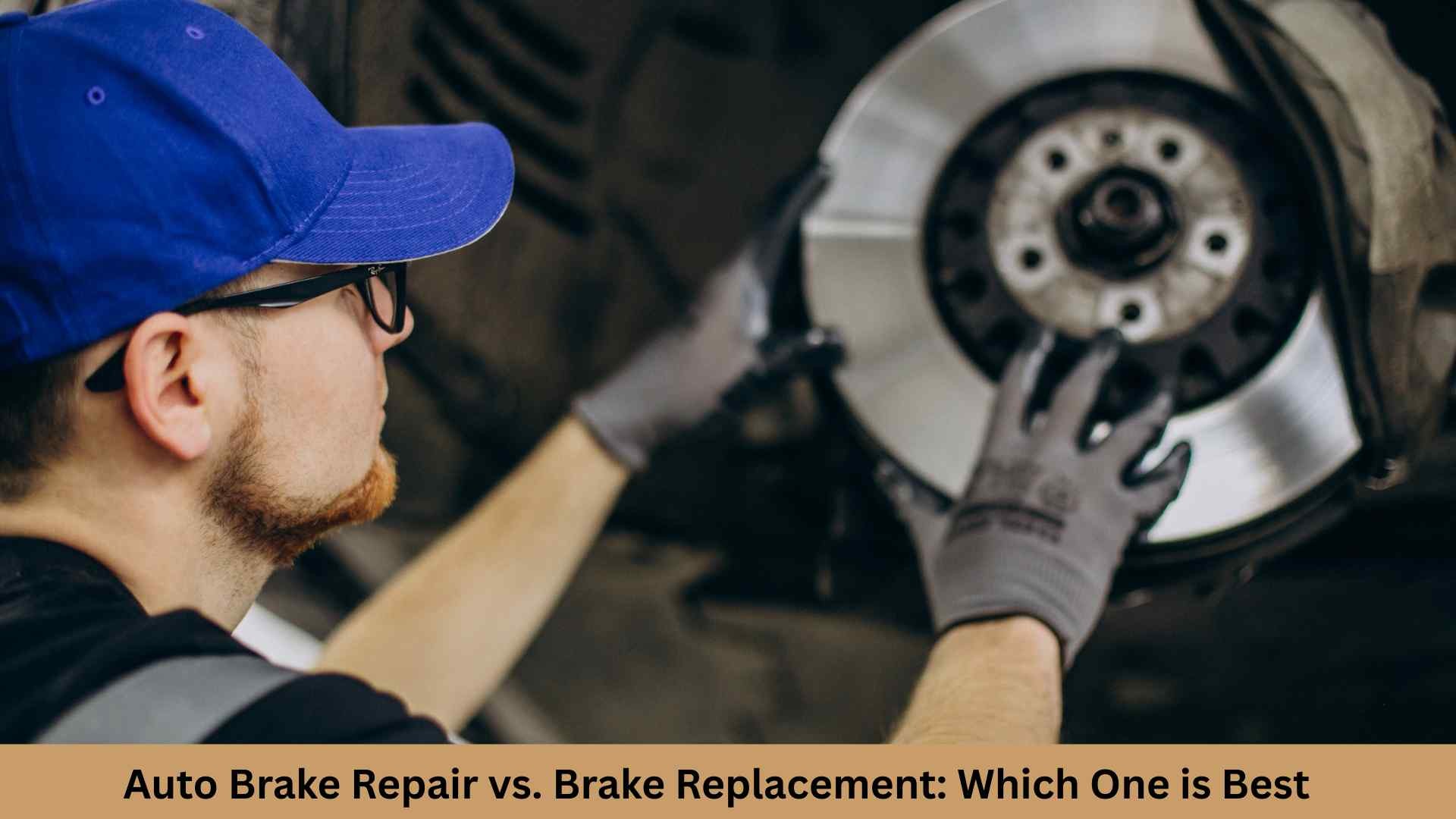
Your vehicle’s braking system is one of its most important safety systems. It helps you slow down, stop at intersections, and respond to unexpected situations on the road.
Over time, brake components can wear or develop mechanical problems. You may notice squealing, grinding, vibration, a soft pedal, or changes in stopping performance. These signs do not always mean that every brake component needs to be replaced.
The right solution depends on the condition of the affected parts and the cause of the problem. In some cases, auto brake repair services can resolve an isolated issue. In other situations, replacing worn or damaged components may be the safer choice.
Understanding the difference between repair and replacement can help you make a more informed decision about your vehicle’s maintenance and safety.
A typical braking system includes brake pads, rotors, calipers, brake lines, and hydraulic fluid. Each component plays a role in converting pressure from the brake pedal into stopping force.
Brake pads gradually wear as they create friction against the rotors. Rotors can also become worn, scored, damaged, or excessively thin. Calipers may develop problems that prevent the brake pads from applying or releasing correctly.
Ignoring a developing brake problem can sometimes lead to additional damage. For example, severely worn brake pads can damage the rotor and increase the amount of work required later.
Routine brake system repair and inspection can help identify problems before they become more serious.
The terms repair and replacement describe two different approaches to addressing brake problems.
Brake repair focuses on diagnosing and correcting a specific problem within the braking system.
Depending on the inspection results, the work may include:
A repair may be appropriate when the problem is isolated and the remaining components are still in suitable condition.
The goal of vehicle brake repair is to restore proper braking performance without replacing components that do not require replacement.
Car brake replacement becomes necessary when one or more components have reached the end of their usable service life or are no longer safe to continue using.
Brake pads commonly require replacement because their friction material wears down during normal driving. Rotors may also need replacement if they are excessively worn, damaged, severely scored, or below the manufacturer’s minimum thickness.
Replacement should be based on an inspection rather than simply the age of the vehicle or the number of miles driven.
| Factor | Exhaust Repair | Exhaust Replacement |
|---|---|---|
| Best For | Minor leaks, small cracks, loose connections, or localized damage | Severely damaged, rusted, or failed exhaust components |
| Cost | Usually lower than replacement | Usually higher due to parts and labor |
| Repair Time | Often quicker when the damage is localized | May take longer depending on the number of components being replaced |
| Typical Work | Patching leaks, welding cracks, replacing clamps or small sections | Replacing mufflers, pipes, catalytic converters, or larger exhaust sections |
| Exhaust Condition | Most of the system is still in good condition | Multiple components may be severely worn or damaged |
| Long-Term Value | Cost-effective when the remaining system is in good condition | Better when extensive corrosion or repeated failures make repairs impractical |
| Performance | Can restore normal exhaust function when damage is minor | Can restore the system when major components have failed |
| When to Choose It | When damage is isolated and the rest of the exhaust system is sound | When damage is extensive or multiple repairs are needed |
Recognizing early warning signs can help you arrange an inspection before a minor issue develops into a larger problem.
A high-pitched squeal can occur when brake pads or their wear indicators contact the rotor. Grinding is more concerning because it can indicate that the friction material has become severely worn or that metal components are making contact.
The source of a brake noise cannot always be identified by sound alone. A professional inspection can determine what is causing it.
A brake pedal that feels unusually soft or spongy should not be ignored. Air or moisture in the hydraulic system, a fluid leak, or another braking-system issue may affect pedal feel.
If the pedal suddenly feels different, have the vehicle inspected promptly.
If the vehicle pulls to one side when you apply the brakes, braking force may not be balanced between the wheels.
A sticking caliper, uneven pad wear, tire issue, suspension problem, or another mechanical fault can cause similar symptoms. Proper diagnosis is important before deciding what repair is needed.
Vibration during braking can have several possible causes. Uneven rotor surfaces are one possibility, but tire, wheel, and suspension problems can produce similar symptoms.
A technician can inspect the vehicle to determine whether the braking system is responsible.
If your vehicle takes longer to stop than it normally does, do not ignore the change.
Reduced stopping performance can be related to worn brake components, hydraulic problems, tires, or other mechanical issues. Prompt inspection can help identify the underlying cause.
Repair may be appropriate when the problem is limited to a specific component and the rest of the braking system remains in good condition.
For example, a vehicle with a brake fluid leak may require attention to the affected component rather than replacement of unrelated brake parts. A sticking caliper may also be addressed without replacing every component in the system.
Before recommending a repair, a technician should consider:
This approach helps prevent unnecessary repairs while ensuring important safety issues receive attention.
Replacement becomes more appropriate when a component is excessively worn, damaged, or outside the manufacturer’s service specifications.
Brake pads are designed to wear during normal operation. Once the friction material reaches an unsafe level, replacement is necessary.
Rotors may also require replacement if they are below the specified thickness or have damage that prevents them from providing a suitable braking surface.
In some situations, related components may need to be replaced together. For example, installing new brake pads on severely damaged rotors may not provide the desired braking performance.
The recommendation should always be based on the actual condition of the components.
There is no single price for brake work. The total cost depends on the vehicle, parts required, labor, and extent of the problem.
A minor repair may cost less than replacing several worn components. However, choosing an option based only on the lowest initial price may not be the best long-term decision.
A professional technician should explain:
This information allows vehicle owners to understand their options before approving the work.
Proper maintenance can help you identify brake problems early and may extend the service life of various components.
Your vehicle owner’s manual contains maintenance recommendations specific to your vehicle.
Follow those guidelines and have the braking system inspected whenever you notice a change in braking performance.
Do not ignore unusual noises, vibration, changes in pedal feel, or reduced stopping performance.
Early diagnosis can help prevent additional component damage in some situations.
Repeated aggressive braking can generate significant heat and contribute to increased wear under certain driving conditions.
Maintaining a safe following distance can reduce the need for sudden braking.
Tires play an important role in overall stopping performance because they provide the contact between your vehicle and the road.
Keep tires properly inflated and replace them when tread or condition becomes unsafe.
There is no single inspection interval that applies to every vehicle. Driving conditions, vehicle type, mileage, brake component materials, and driving habits can all affect brake wear.
An inspection is especially important when you notice symptoms such as grinding, unusual squealing, vibration, pulling, or changes in pedal feel.
If you are searching for an auto brake inspection service near me, choose a repair facility that can inspect the complete braking system rather than checking only the component that is making noise.
There is no universal answer because every brake problem is different.
The safest decision comes from a complete inspection and a clear explanation of the findings.
616 Auto Repair serves drivers in the Grand Rapids area with automotive inspection, maintenance, and repair services.
Our technicians can evaluate braking concerns and explain what they find before recommending the appropriate service. We focus on identifying the source of the problem and recommending work based on the vehicle’s actual condition.
Our auto brake maintenance service can help identify signs of wear before they develop into more serious problems. When a repair is sufficient, there may be no reason to replace components that remain in good condition.
If replacement is necessary, we can explain which parts require attention and why.
If you notice grinding, unusual squealing, vibration, a soft pedal, pulling, or reduced stopping performance, do not ignore the symptoms.
A professional inspection can identify the underlying problem and help determine whether your vehicle needs a repair or replacement.
Contact 616 Auto Repair to have your braking system evaluated and get a clear explanation of the recommended service.
Brake repair fixes small issues like worn pads or minor rotor damage. Brake replacement changes all worn parts like pads, rotors, or calipers to make brakes work like new again and stay safe.
Watch for squeaks, grinding noises, shaking, or soft brake pedals. Getting a professional auto brake inspection service near me helps figure out if repair is enough or if full replacement is needed.
Brake pads can be repaired if they are slightly worn and still thick enough to work properly. If they are very thin or damaged, replacement is safer and prevents problems with rotors or calipers.
Yes. Repairs usually cost less because only the damaged part is fixed. Replacement costs more because all the worn parts are changed. Repairs save money in the short term, but replacement can save money in the long term.
Minor wear can sometimes be fixed by resurfacing or adjusting the pads. Heavily worn pads need replacement. Fixing worn pads prevents damage to other brake parts and keeps your car safe.
Brake repairs can last a few thousand miles, depending on driving style and road conditions. Taking care of your brakes with regular maintenance makes repairs last longer and ensures safe stopping every time.
Grinding noises, deep grooves in rotors, or soft pedals are signs you need a full replacement. Frequent small repairs also suggest replacement may be the safer and smarter choice.
No. Driving with worn brakes is dangerous. Even small problems can cause longer stopping distances or brake failure. Get your car checked as soon as possible to stay safe.
Brakes should be checked every 6–12 months. Brake pads usually last 25,000–70,000 miles, but frequent driving or heavy loads may mean earlier inspection and replacement.
Delaying can cause a full brake failure, damage other parts, and cost more to fix. Ignoring brakes can also lead to accidents. Quick attention keeps your car safe and avoids bigger problems.