- Bays Available Today
- Bays Available Today
- Bays Available Today
- Bays Available Today
- Bays Available Today
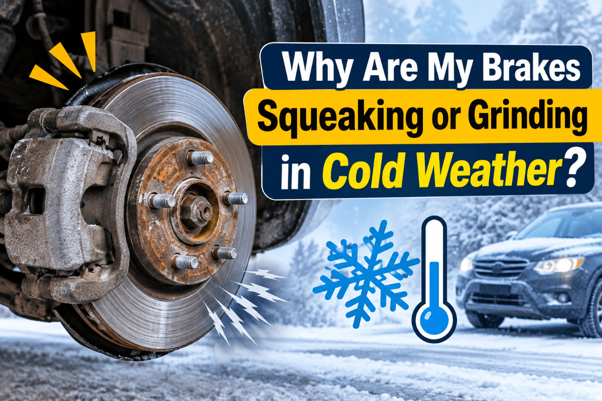
Cold mornings bring more than frosty windows and chilly roads. They also bring strange sounds from your car’s brakes. You start the engine, press the brake pedal, and hear a sharp squeak or rough grinding noise. These sounds raise an important question about your car’s safety and brake health. Brakes squeaking in cold weather often result from moisture, surface rust, or changes in brake parts as temperatures drop.
However, the sound also points to parts that need a closer look. At 616 Auto Repair, we help drivers understand brake problems, find the source of unusual sounds, and keep their vehicles ready for the road.
Cold weather changes how brake parts work together. Your braking system uses brake pads, rotors, calipers, and other parts to slow your vehicle. These parts work through friction. Temperature and moisture changes affect how they contact each other.
A squeaking sound starts when the brake pads vibrate against the rotors or other parts of the braking system. Cold air, damp conditions, and overnight frost all play a part in this process.
Here are some common reasons for winter brake squeaks:
Moisture and Surface Rust
Rain, snow, fog, and overnight moisture leave a thin layer of water on brake rotors. During cold nights, this moisture helps a light layer of rust form on the metal surface.
When you start driving and press the brake pedal, the pads rub against this layer. This contact creates a squeaking or scraping sound. A few normal stops often clear the light surface rust, and the noise fades.
Cold Brake Pad Material
Brake pads contain different materials, such as ceramic, metallic, and organic compounds. Each type reacts to temperature changes in its own way. Cold conditions affect friction and the contact between the pads and rotors.
Some pads produce more noise during the first few stops on a cold morning. As the brakes warm up, the sound often becomes less noticeable.
Dust and Small Debris
Road dust, dirt, and small stones enter the spaces around brake pads and rotors. These particles create unwanted contact between moving parts. As a result, your brakes produce a squeak or light scraping sound.
A proper brake inspection helps find dirt buildup, worn parts, and other issues that affect brake performance.
Read More :- Preventative Maintenance vs. Emergency Repair: Key Differences Every Car Owner Should Know
2. What Causes Brakes to Grind in Cold Weather?
A grinding sound deserves more attention than a light squeak. Brakes grinding in cold weather can point to worn brake pads, damaged rotors, or debris caught inside the braking system.
Brake pads contain friction material that presses against the rotors. As the pads wear down, this material becomes thinner. Once the friction material reaches its limit, the metal backing plate can touch the rotor and create a harsh grinding sound.
Worn-Out Brake Pads
Brake pads lose material each time you press the brake pedal. Their lifespan depends on driving habits, traffic, road conditions, and pad quality.
A grinding sound during braking often signals that the pads need replacement. Continuing to drive with worn pads also puts extra stress on the rotors. A mechanic should check the pad thickness and rotor condition before the damage spreads.
Damaged or Uneven Brake Rotors
Brake rotors need a smooth surface for proper contact with the pads. Heat, wear, and repeated braking affect this surface over time. Deep grooves, rust, and uneven spots create rough contact.
You may hear a grinding sound each time you slow down. A mechanic checks rotor thickness, surface wear, and heat marks to decide whether the rotors need resurfacing or replacement.
Loose or Damaged Brake Parts
Your braking system includes clips, shims, calipers, and other small parts. Each part helps hold the pads in place and supports smooth movement. Loose hardware or damaged parts create unwanted contact and noise.
A full brake repair service checks these parts along with the pads and rotors. This helps restore proper contact and smooth braking.
3. How Do You Know Whether the Brake Noise Needs Attention?
The type of sound, when it starts, and how long it lasts all offer useful clues. A short squeak during the first few stops on a cold morning points to moisture or temperature changes. A grinding noise during every stop needs prompt attention.
Pay attention to these signs:
If you wonder why your brakes squeak when it is cold, note whether the sound fades after a few stops or continues throughout the drive. Share these details with your mechanic. They help narrow down the cause and guide the next repair step.
4. What Should You Do When Your Brakes Start Making Noise?
Start by paying attention to the sound and the way your car responds. Avoid guessing the cause based on noise alone. A mechanic needs to check the full braking system to find the exact source.
Here are two useful steps to follow:
Note When the Noise Happens
Notice whether the sound starts during the first morning drive, continues after the brakes warm up, or appears each time you press the pedal. Also, check for changes in pedal feel, steering response, or stopping distance.
For example, a brief squeak that fades after a few stops points to a different issue than a deep grinding sound during every stop.
Schedule a Brake Check
A professional inspection covers brake pad thickness, rotor condition, calipers, clips, and other hardware. The mechanic also checks for rust, dirt, and uneven wear.
At 616 Auto Repair, we focus on finding the actual cause of brake noise before recommending repairs. A clear check helps you understand which parts need attention and what your vehicle needs to return to safe working order.
5. How Does a Professional Brake Inspection Help?
A brake system has several parts, and each one plays a role in stopping your vehicle. Replacing a part without checking the rest of the system leaves important details unchecked.
During a brake inspection, our mechanics review the following:
After the check, we explain our findings and discuss the right repair options. Our goal at 616 Auto Repair is to give your vehicle the care its braking system needs.
6. How Do You Keep Your Brakes in Good Shape During Winter?
A little care goes a long way during cold months. Regular checks help you keep track of brake wear and spot changes before they affect your daily drive.
Follow these simple habits:
Winter care also includes checking other vehicle systems. A trusted car engine mechanic helps keep the engine in good shape, while regular auto transmission service supports smooth gear changes and proper vehicle response.
Your brakes deserve attention before cold weather turns a small noise into a bigger repair job. A sharp squeak, rough grind, or change in pedal feel gives you a good reason to check your braking system.
At 616 Auto Repair, we take the time to inspect brake parts, find the source of unusual sounds, and explain the repairs your vehicle needs. Our goal is simple: dependable service, clear advice, and brakes you feel confident using on the road.
Hearing something unusual every time you press the brake pedal? Book your brake repair service with 616 Auto Repair today. Let our mechanics check your braking system and help you head into winter with greater confidence.
Cold weather, moisture, and light rust on brake rotors create friction and vibration. Brake pad material also reacts to low temperatures. A short squeak often fades after a few normal stops.
A brief squeak during the first few stops is common in winter. Moisture and light surface rust cause this sound. However, squeaking throughout the drive calls for a professional brake check.
Grinding usually points to worn brake pads, damaged rotors, or debris inside the braking system. The sound needs prompt attention since metal contact damages brake parts and affects stopping performance.
A brief squeak that fades after a few stops has a different cause from ongoing brake noise. Grinding needs prompt attention. Stop driving if braking feels weak and arrange professional help.
Brake repair costs depend on your vehicle, the parts involved, and the work required. Pad replacement costs less than jobs involving rotors or calipers. A proper inspection gives you a clear estimate.