- Bays Available Today
- Bays Available Today
- Bays Available Today
- Bays Available Today
- Bays Available Today
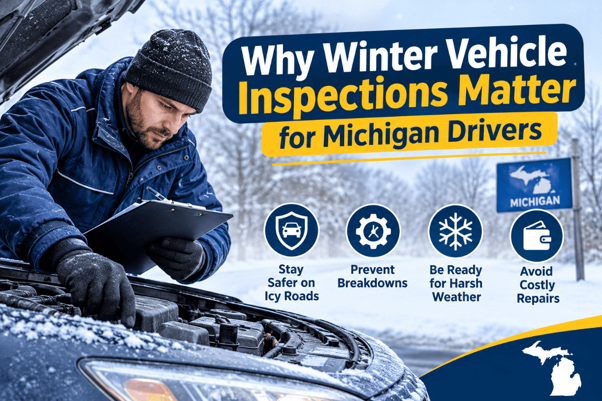
Michigan winters put every part of a vehicle to the test. Freezing mornings, snow, slush, and road salt place extra demands on tires, brakes, batteries, and engine systems. A car that runs well in fall still needs care before the first hard freeze. At 616 Auto Repair, we help drivers prepare for cold-weather travel with a careful winter vehicle inspection.
Cold weather changes how a vehicle starts, stops, and handles the road. Low temperatures reduce battery power, thicken engine oil, and affect tire pressure. Snow and ice also demand steady grip and reliable brakes.
Michigan roads bring another concern: salt and slush. Road salt helps clear ice, yet it also speeds up rust on exposed metal parts. Regular checks help spot early wear around brake lines, suspension parts, and the underbody.
A winter car inspection checklist gives the visit a clear purpose. This planned approach forms an important part of Michigan winter car maintenance.
A complete inspection looks at several systems that work together.
Battery and Charging System
Cold weather makes a weak battery work harder. The engine needs power to start, while the charging system keeps the battery ready for the next trip. A technician checks battery health, cable connections, and charging output.
Watch for slow starts, dim lights, or a battery warning light. These signs deserve prompt attention. Clean terminals and secure connections support steady power through cold mornings.
Tires, Tread, and Tire Pressure
Tires form the only contact between the car and the road. Their tread moves water and slush away from the contact area, while proper pressure supports grip and even wear.
A technician checks tread depth, sidewalls, and wear patterns. Good tires support steering, braking, and control on slippery roads.
Brakes and Suspension
Brakes need to respond in a smooth, steady way on winter roads. A technician checks brake pads, rotors, calipers, lines, and fluid.
Suspension parts help tires stay in contact with the road. Shocks, struts, and steering parts deserve a close look for leaks, loose joints, or worn parts.
Fluids, Belts, and Hoses
Engine oil needs the right grade for the vehicle and winter temperatures. Coolant must protect the engine at freezing temperatures. A technician checks fluid levels and condition, along with windshield washer fluid, brake fluid, and transmission fluid as needed.
Belts and hoses also face cold-weather stress. Cracks, soft spots, leaks, or loose belts deserve attention before a long drive. Correct fluids and sound connections help the engine and other systems work as designed.
Read More :- Engine Overhaul vs. Engine Replacement: Which Is Better for Your Car?
Lights, Wipers, and Heating
Short winter days and blowing snow make clear visibility a must.
The heater and defroster matter too. A working defroster clears fog and frost from the windshield.
A winter check helps find worn parts and service needs before cold weather adds strain.
Drivers can also ask about warning lights, odd sounds, or changes in how the car runs. Our engine diagnostic services use the vehicle’s onboard systems and related tests to help identify issues. If the engine needs care, our engine maintenance service covers items such as oil, filters, belts, and other parts based on the maker’s service plan.
An inspection does not promise that a vehicle will never need a repair. It gives drivers useful facts about its current condition. This helps them plan service, prepare for winter travel, and keep up with regular care.
Book an inspection in fall, before the first major snow or deep freeze. Learn how to prepare your car for a Michigan winter by telling the technician about changes in starting, braking, steering, heating, or dashboard lights.
Use this simple list between service visits:
At 616 Auto Repair, our vehicle inspection services help drivers understand key parts and choose the right next steps.
A little planning goes a long way when temperatures drop. A winter inspection gives you a clear picture of your vehicle’s condition and helps you handle service before snow and ice shape the daily drive. From battery tests to brake and tire checks, 616 Auto Repair is ready to help you prepare for the season.
Contact 616 Auto Repair today to schedule your winter vehicle inspection. Get clear answers, practical service, and a vehicle ready for Michigan’s cold-weather roads.
Understanding why winter vehicle inspections are important starts with the extra strain cold puts on the battery, tires, brakes, fluids, and wipers. An inspection helps drivers plan service before snow and ice arrive.
To understand what is included in a winter car inspection, review the battery, tires, brakes, suspension, fluids, belts, hoses, lights, wipers, heater, and defroster. Checks depend on the vehicle’s age and service needs.
Schedule an inspection in early fall, before the first hard freeze or major snowfall. An early visit leaves time for repairs, tire changes, and other service before winter travel begins.
Yes. Testing the battery, checking fluids, and reviewing belts, hoses, and tires helps spot service needs before winter puts added strain on the vehicle. Regular care supports dependable starts and travel.
The price depends on the vehicle and the checks included. Some shops offer a set winter inspection fee, while extra tests or repairs cost more. Ask 616 Auto Repair for current pricing before booking.