- Bays Available Today
- Bays Available Today
- Bays Available Today
- Bays Available Today
- Bays Available Today
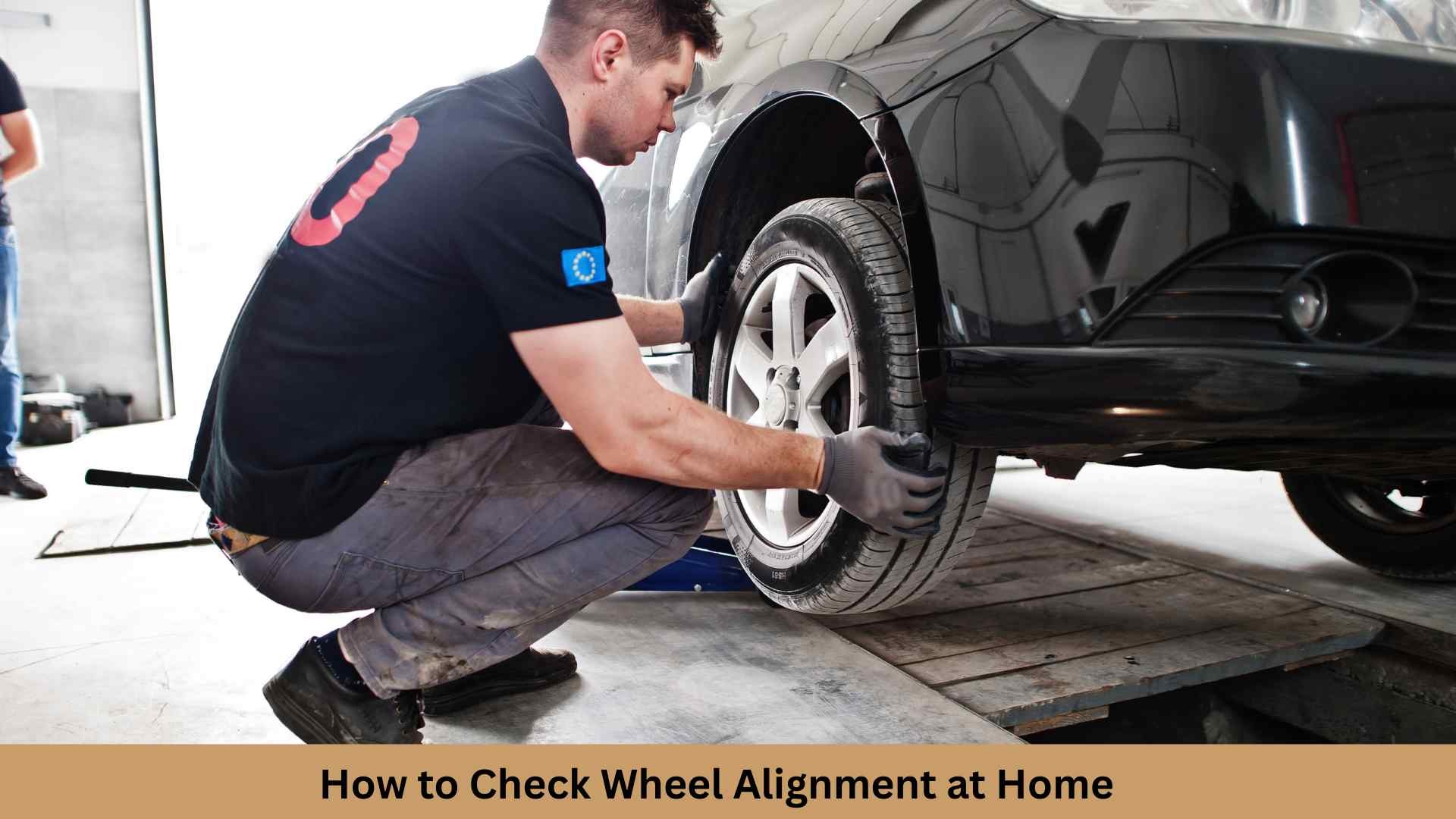
You can check wheel alignment at home by looking at your tires and seeing if they are wearing unevenly, if your car pulls to one side, or if your steering feels off. You can also use simple methods like the string test or a tape measure. These DIY checks help spot problems early, but a professional wheel alignment service is the best way to fix them accurately. Regular checks show the importance of wheel alignment for safe driving, long-lasting tires, and better fuel efficiency.
i) Definition of Wheel Alignment
Wheel alignment is when the angles of your car’s wheels are adjusted so they are straight and level with the road. Proper alignment makes driving easier, tires wear evenly, and the car uses fuel more efficiently. Misalignment can make steering tricky and wear tires faster.
ii) Key Wheel Alignment Angles
Knowing these angles helps understand wheel alignment symptoms and why professional wheel alignment services are important.
i) Common Driving Symptoms
ii) Tire Wear Patterns That Show Misalignment
Checking tires is a simple way to do a DIY wheel alignment check.
i) Basic Tools for DIY Alignment Checks
ii) Optional Tools for Better Accuracy
Even without special tools, you can try how to check car wheel alignment without tools.
i) Step-by-Step String Alignment Test
ii) How to Interpret the Results
This is an easy DIY wheel alignment check anyone can do.
i) Measuring Tire Distance
ii) What the Measurements Mean
This method is perfect for how do I check wheel alignment at home without professional tools.
i) How to Check Tire Wear Patterns
ii) What Different Wear Patterns Mean
This is the fastest DIY wheel alignment check for spotting wheel alignment symptoms.
i) Simple Driving Test
ii) Steering Wheel Position Test
This method shows how to check car wheel alignment without tools while driving.
i) Precision Limitations
Home methods only give rough results. Professional wheel alignment services use machines to measure angles exactly, which is needed to fix alignment problems correctly.
ii) Modern Alignment Technology
Even if you do a DIY wheel alignment check, professionals ensure accuracy and safety.
i) Situations That Require Professional Alignment
ii) Benefits of Professional Alignment
Professional wheel alignment services solve all wheel alignment symptoms accurately.
Wheel alignment affects tire wear, handling, and fuel efficiency. DIY wheel alignment check methods like the string test, tape measurement, and tire inspection help spot wheel alignment symptoms. Uneven tires and pulling steering are warning signs. Professional wheel alignment services ensure precise adjustment for safe driving.
Next steps: inspect tires, do a DIY wheel alignment check, and schedule professional wheel alignment services at 616 Auto Repair to maintain safety and tire life. Understanding the importance of wheel alignment saves money and improves driving confidence!
Yes, you can do a DIY wheel alignment check using the string method, tape measurements, or tire inspection. These methods help spot problems, but professional equipment is needed to adjust angles accurately.
Wheel alignment symptoms include uneven tire wear, a steering wheel off-center, vehicle pulling to one side, and wobbly steering. These problems show the wheels are not aligned properly.
Alignment should be checked every 6,000 to 10,000 miles, when installing new tires, or after hitting potholes or curbs. Regular checks help avoid wheel alignment symptoms and save tires from uneven wear.
Yes, poor alignment causes tires to wear unevenly and quickly. Misalignment increases friction, shortens tire life, and can cost more money. Detecting wheel alignment symptoms early prevents serious tire damage.
Yes, bad alignment makes the engine work harder because the tires roll unevenly. Correct wheel alignment improves fuel efficiency, saving gas over time.
A professional wheel alignment service usually costs $75–$150, depending on your car. Some repair shops include alignment checks with regular maintenance.
Yes, hitting a pothole or curb can knock wheels out of alignment. This causes wheel alignment symptoms like uneven tire wear and steering pulling to one side.