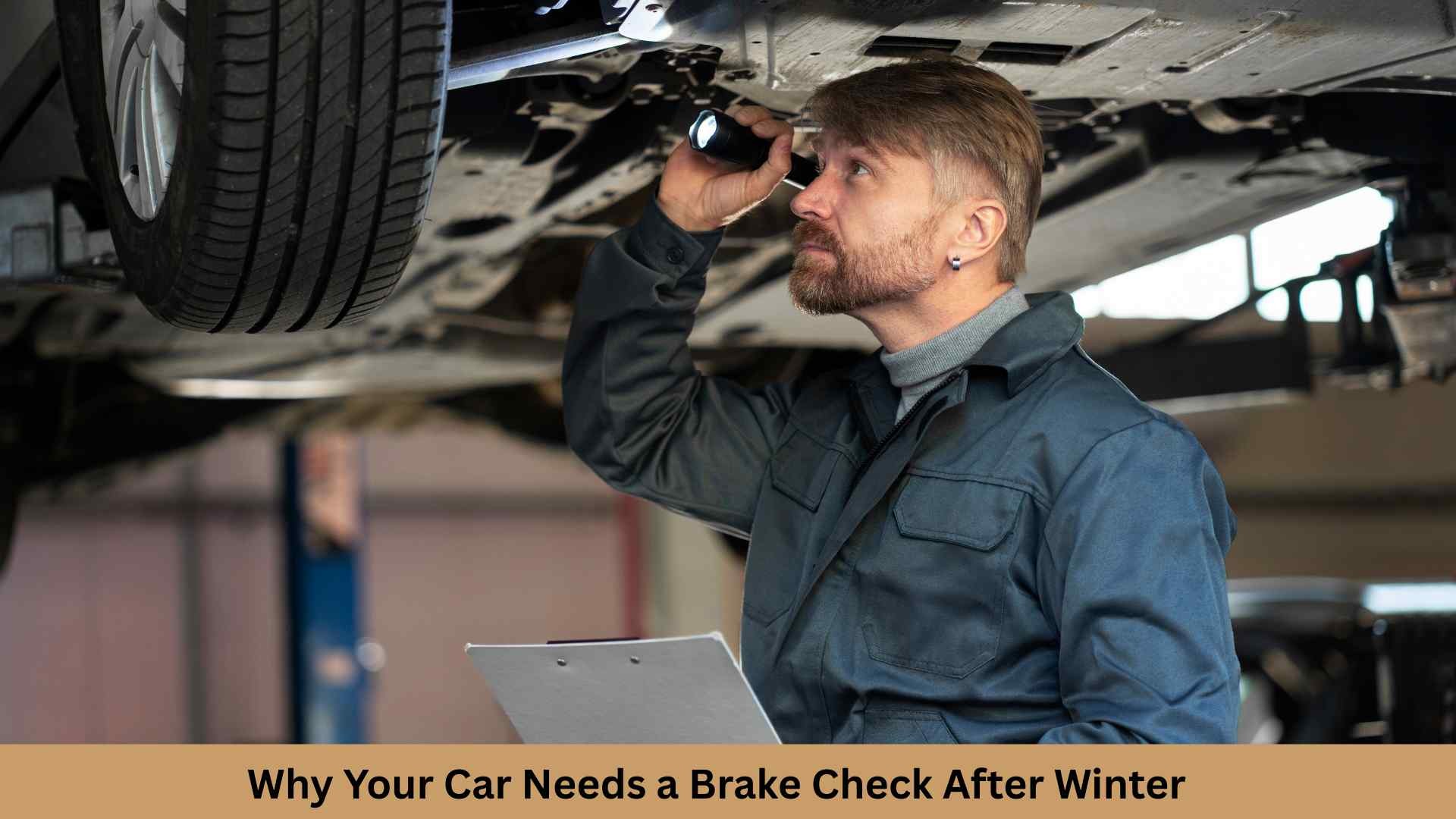
Winter can be tough on your vehicle’s braking system. In Grand Rapids and other parts of Michigan, cars are exposed to road salt, moisture, snow, ice, freezing temperatures, and repeated freeze-thaw cycles throughout the winter. These conditions can contribute to corrosion, component wear, and other brake problems that may not be obvious while you’re driving.
A post-winter inspection gives you an opportunity to identify potential problems before they affect stopping performance. Even when your brakes seem to work normally, checking the pads, rotors, calipers, brake lines, fluid, and related components can help identify early signs of wear or corrosion.
For Grand Rapids drivers, scheduling a professional vehicle brake inspection can be a practical part of spring vehicle maintenance.
Why Should You Check Your Brakes After Winter?
Your braking system is one of the most important safety systems in your vehicle. It needs to provide consistent stopping force every time you press the brake pedal.
Winter conditions can place additional stress on brake components. Road salt and moisture can contribute to corrosion on exposed metal surfaces. Snow, slush, sand, and road debris can also collect around brake components. Repeated exposure to wet and freezing conditions may make existing wear or corrosion more noticeable once temperatures rise.
A post-winter inspection can help identify:
- Worn brake pads
- Uneven or damaged brake rotors
- Corrosion on brake components
- Sticking or damaged calipers
- Brake fluid concerns
- Damaged brake lines or hoses
- Unusual brake noise or vibration
- Problems that may affect stopping performance
Finding these issues early can help prevent a minor brake problem from becoming a more expensive repair.
How Winter Weather Can Affect Your Brakes
Road Salt and Brake Corrosion
Road salt is commonly used during winter to improve traction on snow- and ice-covered roads. However, salt and moisture can contribute to corrosion on exposed metal components.
Some surface rust can occur naturally, particularly after a vehicle sits in wet or snowy conditions. The concern is when corrosion becomes significant enough to affect the condition or movement of brake components.
During a post-winter inspection, a technician can look for excessive corrosion, damaged hardware, uneven wear, and other conditions that may require attention.
Moisture Can Affect Brake Components
Brakes operate in an environment where moisture, dirt, and road debris are unavoidable. Winter increases the amount of moisture your vehicle encounters.
Brake components are designed to handle normal exposure to water, but repeated exposure to moisture and road contaminants can contribute to corrosion over time. This is one reason a seasonal inspection can be useful for vehicles that regularly operate in harsh winter conditions.
Winter Driving Can Increase Brake Wear
Winter driving often involves stop-and-go traffic, slippery roads, additional following distance, and frequent braking. Driving conditions can vary significantly from one day to the next.
Brake wear depends on many factors, including driving habits, vehicle weight, traffic conditions, brake component quality, and the type of driving you do. Winter itself does not automatically mean your brake pads need replacement, but it can make a thorough inspection worthwhile.
What Does a Post-Winter Brake Inspection Check?
A professional brake inspection should look beyond the brake pads alone. Important components include brake pads, rotors, calipers, brake lines, hoses, and brake fluid.
Brake Pads
Brake pads gradually become thinner as they wear. A technician can measure the remaining friction material and check for uneven wear or other signs of a problem.
Uneven pad wear may indicate an issue with the caliper, brake hardware, or another part of the braking system.
Brake Pads and Rotors
Your brake pads and rotors work together to create the friction needed to slow and stop your vehicle.
The pads press against the rotors when you apply the brakes. Over time, both components can experience normal wear. Winter exposure can also contribute to surface corrosion and other problems.
A technician can inspect these components for:
- Excessive wear
- Uneven wear
- Deep scoring
- Excessive corrosion
- Cracks or other visible damage
- Conditions that may affect braking performance
Not every rusty rotor needs replacement. Light surface rust can be normal after exposure to moisture, while significant corrosion or damage requires further evaluation.
Brake Calipers
Calipers apply pressure to the brake pads. If a caliper does not operate correctly, it can contribute to uneven pad wear, overheating, pulling, or other braking concerns.
Checking caliper operation is therefore an important part of a complete brake inspection.
Brake Fluid
Brake fluid transfers hydraulic pressure from the brake pedal to the braking components. Brake fluid can absorb moisture over time, and excessive moisture can lower its boiling point and contribute to corrosion within the hydraulic system.
A technician can check the fluid level and condition and determine whether additional service is appropriate.
Brake Lines and Hoses
Brake lines and flexible hoses carry brake fluid through the hydraulic system. These components should be checked for visible damage, leaks, corrosion, or deterioration.
A fluid leak or damaged hydraulic component should not be ignored because it can affect braking performance.
Brake Warning Indicators
Your vehicle’s brake or ABS warning lights should never be ignored. A warning light can indicate a problem that requires diagnosis.
If a brake warning light remains illuminated after the parking brake has been released, have the vehicle checked rather than assuming it will go away on its own.
Signs Your Brakes May Need Attention After Winter
You do not have to wait for a scheduled inspection if your vehicle is already showing warning signs.
Watch for:
- Squealing or grinding when braking
- A soft or spongy brake pedal
- Longer stopping distances
- Vibration or pulsation when braking
- The vehicle pulling to one side during braking
- A burning smell after braking
- Visible corrosion or damage
- Brake or ABS warning lights
- Uneven brake pad wear
- Unusual changes in brake pedal feel
What Does Grinding Mean When Braking?
Grinding is particularly important because it can indicate significant brake component wear or a problem that is allowing metal components to contact the rotor.
If your vehicle produces persistent grinding noises when you apply the brakes, have the braking system inspected promptly rather than continuing to drive and hoping the noise disappears.
If the inspection identifies worn or damaged components, professional car brake repair services can help address the problem before it becomes more serious.
Do You Need New Brake Pads After Winter?
Not necessarily.
Winter does not automatically mean your brake pads need to be replaced. Brake pad life depends on several factors, including driving habits, vehicle type, traffic conditions, terrain, brake design, and the condition of other braking components.
The right approach is to inspect the pads and measure their remaining material rather than replacing them simply because winter has ended.
If the pads are worn beyond the manufacturer’s recommended service limits, replacement may be necessary. If they still have sufficient material and are wearing evenly, they may not need immediate replacement.
Can Rusty Brake Rotors Be Dangerous?
Some surface rust on brake rotors can be normal, especially after a vehicle has been parked outside in wet or snowy conditions.
However, significant corrosion, deep scoring, uneven wear, or other rotor damage can affect braking performance and should be evaluated by a qualified technician.
The important distinction is between temporary surface oxidation and corrosion or damage that affects the braking surface or component condition.
How to Protect Your Brakes After Winter
A few simple maintenance habits can help you stay ahead of brake problems:
- Schedule a brake inspection. Have the braking system evaluated as part of your spring maintenance.
- Wash away road salt. Regularly cleaning the vehicle can help remove salt and other winter contaminants.
- Pay attention to changes in braking. Do not ignore new noises, vibrations, pulling, or changes in pedal feel.
- Do not ignore warning lights. Have brake and ABS warning indicators diagnosed promptly.
- Follow your vehicle manufacturer’s maintenance recommendations. Service intervals can vary by vehicle.
- Address problems early. Identifying worn or damaged components early may help prevent additional damage.
When Should You Have Your Brakes Inspected?
There is no single mileage interval that applies to every vehicle. Brake wear depends on the vehicle, driving conditions, driving habits, and the manufacturer’s recommendations.
A post-winter inspection makes particular sense if you:
- Drive frequently in stop-and-go traffic
- Travel on roads treated with salt
- Drive in hilly areas
- Tow or carry heavy loads
- Notice changes in braking performance
- Have not had the brakes inspected recently
- Hear unusual noises when braking
- See a brake or ABS warning light
If you already notice a braking problem, do not wait for routine spring maintenance. Have the vehicle inspected as soon as practical.
Why Grand Rapids Drivers Should Pay Attention to Their Brakes
For drivers in Grand Rapids, winter maintenance should not end when the snow disappears. Months of exposure to road salt, moisture, slush, and changing temperatures can leave brake components with corrosion or wear that deserves attention.
A spring brake inspection provides an opportunity to evaluate the braking system before summer road trips, increased mileage, and warmer-weather driving put additional demands on the vehicle.
At 616 Auto Repair, professional brake inspections in Grand Rapids can evaluate important braking components such as brake pads, rotors, calipers, brake lines, and brake fluid. The goal is to identify wear or potential problems and provide recommendations based on the vehicle’s actual condition.
Keep Your Brakes Ready for the Road
Winter may be over, but your vehicle can still show signs of months of exposure to salt, moisture, snow, and changing temperatures. A post-winter brake inspection can help identify worn pads, rotor problems, corrosion, fluid concerns, and other issues that may affect braking performance.
If you’re driving in Grand Rapids and notice unusual brake noise, vibration, longer stopping distances, or changes in pedal feel, schedule a professional brake inspection with 616 Auto Repair. A professional evaluation can help you understand the actual condition of your braking system and determine what service, if any, is needed.