- Bays Available Today
- Bays Available Today
- Bays Available Today
- Bays Available Today
- Bays Available Today
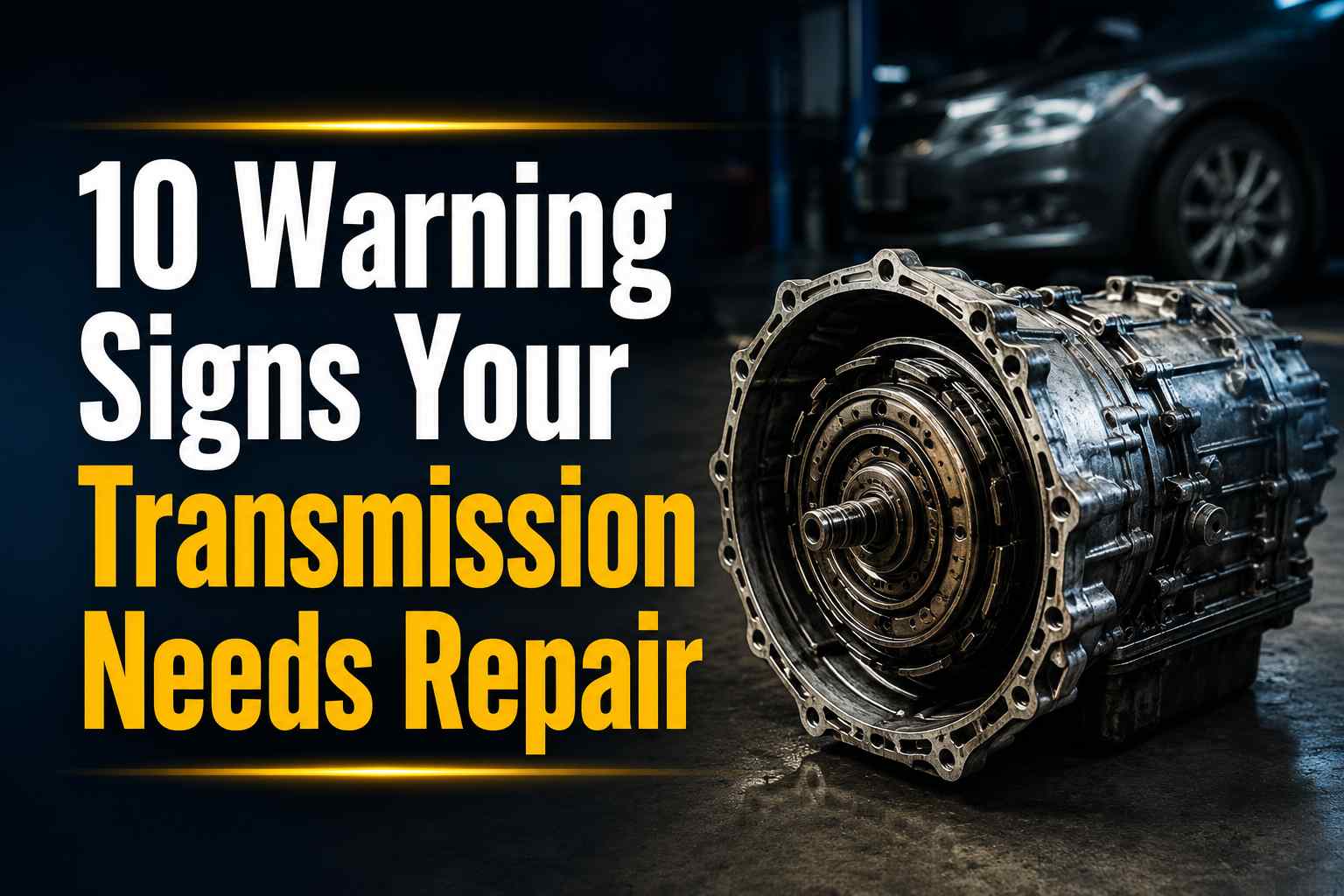
Transmission problems rarely happen without warning. In many cases, drivers first notice small changes such as delayed shifting, unusual noises, or fluid leaks before the problem becomes more serious. At 616 Auto Repair, we regularly inspect vehicles that arrive with minor transmission concerns that could have been repaired more affordably if they had been addressed earlier. Recognizing these early warning signs can help protect your vehicle, improve safety, and reduce repair costs.
If you have been wondering how to know if your transmission is going bad, learning the symptoms below can help you take action before a minor issue turns into a major repair. Whether you drive a vehicle with an automatic or manual transmission, understanding these warning signs can help extend the life of your transmission and keep your vehicle performing reliably.
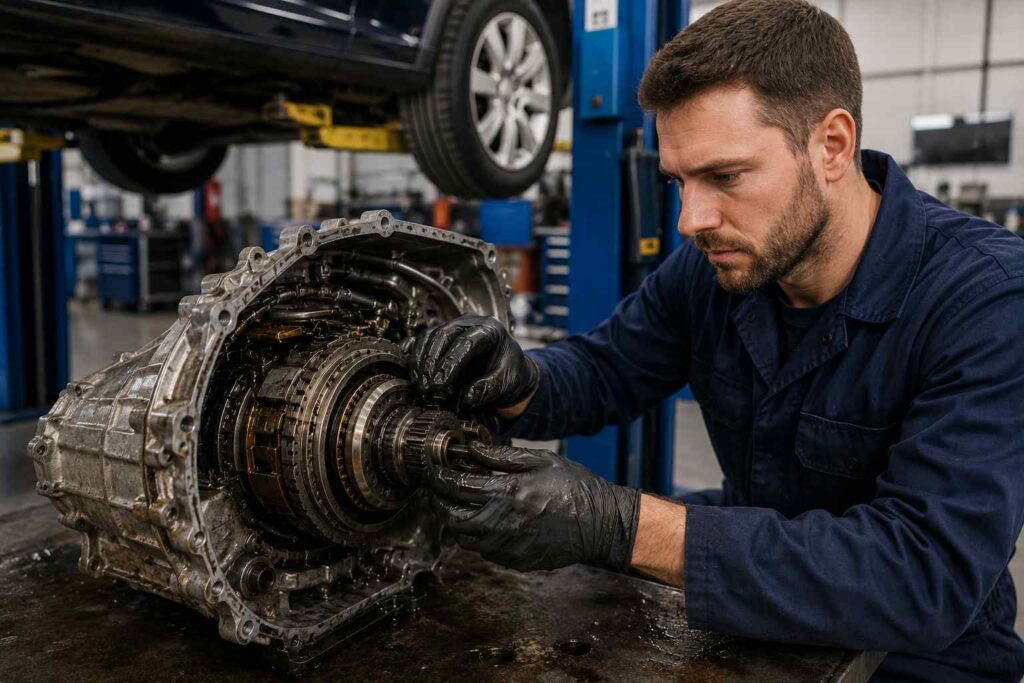
Your transmission is one of the most important systems in your vehicle. It transfers power from the engine to the wheels while allowing your vehicle to shift smoothly through different gears. When the transmission begins to wear or develop internal problems, overall vehicle performance can quickly decline.
Many drivers ignore small symptoms because they believe the problem will go away on its own. Unfortunately, transmission problems usually become worse over time. A delayed shift today can eventually become complete transmission failure if left untreated.
Routine inspections, proper maintenance, and timely repairs help improve transmission life and reduce the likelihood of unexpected breakdowns. At 616 Auto Repair, our experienced technicians perform detailed inspections using modern diagnostic equipment to identify problems accurately before recommending repairs.
Whether your vehicle requires preventive maintenance or complete car transmission repair, our goal is to provide dependable solutions that keep you safely on the road.
The earliest warning signs of transmission trouble often include:
Having these symptoms inspected early can often prevent more expensive repairs later.
Recent Blog: Walker, MI Drivers: Prepare Your Vehicle for Summer Travel
Transmission problems can develop for many different reasons. Some issues result from normal wear, while others happen because routine maintenance has been delayed.
Common causes include:
Regular inspections help identify these concerns before they lead to major repairs.
You may notice slipping gears, delayed shifting, unusual noises, transmission fluid leaks, burning smells, or difficulty changing gears. A professional inspection can determine the exact cause and recommend the appropriate repair.
Jerking during gear changes may be caused by low transmission fluid, worn internal components, damaged sensors, or other transmission issues. Proper diagnostic testing helps identify the underlying problem.
One of the earliest signs of transmission trouble is difficulty changing gears. Your transmission should shift smoothly whether you are accelerating, slowing down, or driving in traffic.
If your vehicle hesitates, shifts roughly, or refuses to change gears normally, internal wear or low fluid levels may be affecting performance. Drivers experiencing manual transmission problems may notice resistance while shifting, while automatic transmissions may hesitate or shift unexpectedly.
A professional inspection can determine whether the problem requires maintenance or a more extensive repair.
Grinding, whining, humming, or clunking sounds should never be ignored. These noises often indicate worn bearings, damaged gears, or internal transmission components beginning to fail.
The sounds may become more noticeable while accelerating, shifting gears, or driving at highway speeds. Continuing to drive without diagnosing the source can increase internal damage and repair costs.
An experienced technician can inspect the transmission and identify the exact cause before the problem becomes more severe.
A slipping transmission may suddenly change gears without warning or struggle to remain in the selected gear. Drivers often notice a temporary loss of acceleration, unexpected increases in engine RPM, or hesitation while driving.
Gear slipping can result from worn clutch components, internal hydraulic problems, damaged bands, or low transmission fluid.
Ignoring these symptoms can lead to more serious internal damage and eventually require extensive repairs. Early diagnosis gives technicians a better opportunity to correct the issue before additional components are affected.
Common warning signs include delayed shifting, slipping gears, grinding noises, fluid leaks, burning smells, dashboard warning lights, and difficulty changing gears. Scheduling a professional inspection when these symptoms appear can help prevent more extensive transmission damage.ission issues. Proper diagnostic testing helps identify the underlying problem.
A properly working transmission should provide smooth and consistent gear changes. If your vehicle jerks, shudders, or shakes while shifting, it may indicate internal transmission wear, damaged clutch components, or hydraulic pressure problems.
Drivers with automatic vehicles often search for automatic transmission repair services when shifting becomes rough or unpredictable. Because modern transmissions are electronically controlled, accurate diagnostic testing is essential to determine the exact cause before repairs begin.
Ignoring rough shifting may allow additional internal damage to develop, resulting in more extensive repairs later.
Transmission fluid plays a critical role in lubricating moving parts, reducing heat, and maintaining proper hydraulic pressure inside the transmission.
If you notice red, reddish-brown, or dark-colored fluid beneath your vehicle, your transmission may have a leaking seal, gasket, or cooler line. Even a small leak can gradually lower fluid levels and increase wear on internal components.
Checking for leaks during routine maintenance helps identify problems early and may prevent more expensive transmission repairs.
Excessive heat is one of the leading causes of transmission damage. Many vehicle owners ask, why is my transmission overheating, especially after noticing shifting problems or a burning smell.
Several factors can cause transmission temperatures to rise, including:
When a transmission overheats, fluid begins losing its protective properties. Continued driving under these conditions increases friction and accelerates wear on internal parts.
Professional testing can identify the cause of overheating before permanent damage occurs.
Transmission overheating is commonly caused by low or contaminated transmission fluid, cooling system problems, worn internal components, heavy towing, or excessive heat. A complete inspection can identify the underlying cause and help prevent further damage.
Many drivers assume the check engine light only relates to engine problems. However, the transmission is monitored by your vehicle’s onboard computer, and many transmission issues will trigger a dashboard warning.
If you’re searching for information about check engine light transmission problems, it is important not to ignore the warning. The light may indicate:
A professional diagnostic scan reads stored fault codes and helps technicians identify the source of the problem accurately.
Prompt diagnosis often helps prevent additional transmission damage.
Must Read: How to Choose the Best Car Tire Shop in Byron Center, MI
Professional diagnosis involves much more than reading a dashboard warning light. At 616 Auto Repair, our technicians follow a complete inspection process to identify the exact cause of transmission concerns.
Our diagnostic process typically includes:
Electronic control modules are scanned for transmission-related trouble codes.
Technicians evaluate shifting performance, acceleration, vibration, and overall drivability.
Fluid color, level, and condition are checked for contamination, overheating, or metal debris.
Seals, cooler lines, transmission pan gaskets, and related components are inspected for leaks.
Additional testing helps identify worn internal components, damaged sensors, or electronic control issues that may affect transmission performance.
A complete diagnosis ensures repairs are based on the actual problem rather than replacing parts unnecessarily.
Many transmission issues begin as minor concerns but become much more expensive when ignored.
Driving with transmission problems can lead to:
Addressing transmission symptoms early often reduces repair costs and helps keep your vehicle reliable.
Driving with a damaged transmission is not recommended. Transmission problems can worsen quickly, increase repair costs, and create safety concerns if the vehicle unexpectedly loses power or cannot shift properly. Scheduling an inspection as soon as symptoms appear is the safest approach.
A slipping transmission may cause delayed acceleration, unexpected gear changes, increased engine RPM without added speed, or hesitation while driving. These symptoms should be inspected promptly to prevent additional damage.
Yes. Ignoring transmission issues can place additional stress on the engine, drivetrain, and cooling system. Addressing problems early helps prevent more extensive repairs and supports long-term vehicle reliability.
A healthy transmission should allow your vehicle to shift smoothly into Drive, Reverse, or other gears with little effort. If you notice hesitation before the vehicle begins moving or experience difficulty engaging a gear, your transmission may need professional attention.
Several issues can cause this symptom, including:
These problems rarely improve without repair. Having your vehicle inspected early helps identify the cause before additional transmission damage occurs.
Transmission fluid plays an important role in lubricating moving parts, controlling heat, and supporting smooth gear changes.
Healthy transmission fluid is typically bright red or pink and has very little odor. If the fluid appears dark brown, black, contains metal particles, or smells burnt, it may no longer protect the transmission properly.
Scheduling a transmission fluid change at the manufacturer’s recommended interval helps remove contaminated fluid and supports longer transmission life. During every service, our technicians inspect the fluid’s condition and recommend maintenance based on your vehicle’s needs rather than mileage alone.
Regular fluid maintenance is one of the simplest ways to reduce unnecessary wear and improve long-term transmission performance.
Transmission service intervals vary by manufacturer, vehicle type, and driving conditions. Many vehicles benefit from routine inspections during scheduled maintenance, while others require fluid replacement at specific mileage intervals.
Following your owner’s manual and having the fluid inspected regularly helps maintain proper transmission performance and can reduce the risk of premature wear.
A burning odor coming from your vehicle should never be ignored.
Overheated transmission fluid loses its ability to lubricate and cool internal components. Continued driving under these conditions can increase friction, damage internal parts, and lead to expensive repairs.
Other possible causes include:
If you notice a burning smell while driving, it is best to have your vehicle inspected before additional damage occurs.
One of the most common questions drivers ask is, should I repair or replace my transmission?
The answer depends on several factors, including:
Minor problems such as fluid leaks, worn seals, sensors, or solenoids can often be repaired without replacing the entire transmission.
However, if extensive internal damage, heavy wear, or repeated failures are found, replacement may provide greater long-term reliability.
A professional inspection allows technicians to explain your options clearly so you can make an informed repair decision.
Every transmission concern begins with a thorough inspection.
Our experienced technicians use advanced diagnostic equipment, road testing, and detailed system evaluations to determine exactly what is causing your vehicle’s transmission problem.
Rather than recommending unnecessary repairs, we focus on accurate diagnosis and practical solutions that match your vehicle’s condition.
Whether the issue involves fluid maintenance, electronic controls, internal components, or complete car transmission repair, we provide honest recommendations based on the inspection results.
Good driving habits and regular maintenance can help your transmission perform reliably for years.
To help reduce future transmission problems:
Preventive maintenance is almost always less expensive than major transmission repairs.
A transmission fluid service can improve shifting performance when dirty or low fluid is the cause. However, fluid replacement cannot repair worn internal components or mechanical damage. A professional inspection determines whether maintenance or repair is needed.
Transmission lifespan varies depending on driving habits, maintenance history, vehicle type, and operating conditions. Regular inspections and timely maintenance can help maximize transmission life and reduce the likelihood of major repairs.
Not always. Delayed shifting can result from low transmission fluid, worn internal components, faulty sensors, electronic control issues, or other drivetrain problems. Professional diagnostic testing helps identify the exact cause.
Transmission problems can be difficult to diagnose without the right equipment and experience. At 616 Auto Repair, our technicians take the time to inspect your vehicle thoroughly before recommending any repair. Every inspection focuses on identifying the actual cause of the problem rather than simply replacing parts.
When you visit our car repair shop, you can expect:
Whether your vehicle requires routine maintenance, diagnostics, or transmission repairs, our team is committed to helping you keep your vehicle dependable, safe, and performing at its best.
Keeping your transmission in good condition starts with paying attention to early warning signs. If you notice delayed shifting, slipping gears, unusual noises, leaking transmission fluid, dashboard warning lights, or burning smells, schedule a professional inspection as soon as possible.
Routine maintenance, timely repairs, and regular inspections can help extend transmission life, improve vehicle performance, and reduce the likelihood of expensive repairs in the future.
Early warning signs include delayed shifting, slipping gears, rough shifting, unusual noises, transmission fluid leaks, burning smells, and dashboard warning lights. Addressing these symptoms early can help prevent more serious transmission damage.
Yes. Low transmission fluid can reduce hydraulic pressure inside the transmission, causing delayed shifting, slipping gears, overheating, and increased wear on internal components.
Yes. A transmission that is not operating efficiently may force the engine to work harder, which can reduce fuel efficiency and overall vehicle performance.
Your transmission should be inspected during routine vehicle maintenance and anytime you notice unusual shifting, warning lights, fluid leaks, or other performance concerns. Regular inspections help identify problems before they become more expensive to repair.
No. Even small transmission issues can become major mechanical failures if left untreated. Early diagnosis and repair are typically less expensive than repairing severe internal transmission damage.
Transmission problems rarely fix themselves. What starts as a small delay when shifting gears or a minor fluid leak can gradually develop into serious internal damage if ignored. Recognizing the warning signs early and having your vehicle professionally inspected can help reduce repair costs, improve safety, and extend the life of your transmission.
If you’ve been wondering how to know if your transmission is going bad, paying attention to symptoms such as slipping gears, rough shifting, unusual noises, fluid leaks, overheating, or dashboard warning lights is the best place to start. Acting early gives technicians a better opportunity to diagnose the issue accurately and recommend the most effective solution.
At 616 Auto Repair, we are committed to helping drivers make informed decisions about their vehicle’s maintenance and repair needs. Whether your vehicle requires a routine inspection, preventive maintenance, or a complete transmission diagnosis, our experienced team provides honest recommendations backed by modern diagnostic equipment and quality workmanship.
Don’t wait until a small transmission problem becomes a major repair. Schedule a professional transmission inspection with 616 Auto Repair today and let our skilled technicians help keep your vehicle running safely, smoothly, and reliably for the miles ahead.